
Handmade hooks, from humble beginnings to modern masterpieces, are more than just tools; they are expressions of artistry and skill. This guide delves into the fascinating world of handmade hooks, exploring their history, materials, designs, and crafting techniques. Whether you’re a seasoned crafter or a curious beginner, this comprehensive overview will provide invaluable insights into the captivating craft.
The evolution of handmade hooks reflects the ingenuity and creativity of artisans across cultures and time periods. From basic crochet hooks to intricate tapestry needles, each type offers unique capabilities for a variety of projects. Understanding the nuances of different hook types, materials, and techniques is crucial to maximizing the potential of these handcrafted tools.
Handmade Hooks
Handmade hooks, a testament to craftsmanship and creativity, transcend the purely functional. They represent a tangible connection to tradition, offering a personalized touch that mass-produced alternatives often lack. From humble beginnings to modern iterations, handmade hooks showcase the diverse materials and techniques that shape their unique appeal.
Historical Context
Handmade hooks have a rich history, evolving alongside the needs and aesthetics of various cultures. Early examples often incorporated readily available materials like wood, bone, and shell, reflecting the practical constraints of the era. The craftsmanship involved in creating these hooks reveals the advanced skills and artistry prevalent in pre-industrial societies. Their designs, though simple, were frequently imbued with symbolic meaning, mirroring the cultural beliefs of the time.
The introduction of metalworking techniques further diversified the range of materials and styles available, leading to a broader appeal and usage across different communities.
Materials Used
Handmade hooks are crafted from a diverse range of materials, each contributing to their unique character. Natural materials like wood, bone, and shell lend a warm, organic feel. The choice of material often reflects the local resources and cultural traditions. Metal, in various alloys and finishes, offers a durable and aesthetically varied alternative. Modern artisans are also exploring innovative materials like recycled plastics and reclaimed wood, demonstrating a growing commitment to sustainable practices.
Styles and Designs
The styles and designs of handmade hooks are as varied as the cultures and craftspeople who create them. Some hooks are purely functional, designed for specific tasks like hanging garments or kitchen utensils. Others are imbued with decorative elements, showcasing intricate patterns and embellishments. The designs often reflect the artistic sensibilities of the creator, with stylistic influences ranging from minimalist aesthetics to elaborate patterns inspired by nature or cultural motifs.
Hooks can also incorporate symbolism, adding an additional layer of meaning and personal connection to the piece.
Techniques Employed
The techniques used to create handmade hooks are as diverse as the materials themselves. Carving, shaping, and polishing techniques are central to the creation of hooks from natural materials. Metalworking techniques, like forging, hammering, and soldering, are crucial for creating metal hooks. Modern techniques, such as laser cutting and 3D printing, are also being integrated, showcasing the dynamic evolution of the craft.
The complexity and skill required in each technique are often reflected in the final product’s aesthetic appeal and longevity. The precision and attention to detail employed in these techniques are critical to the final result.
Types of Handmade Hooks
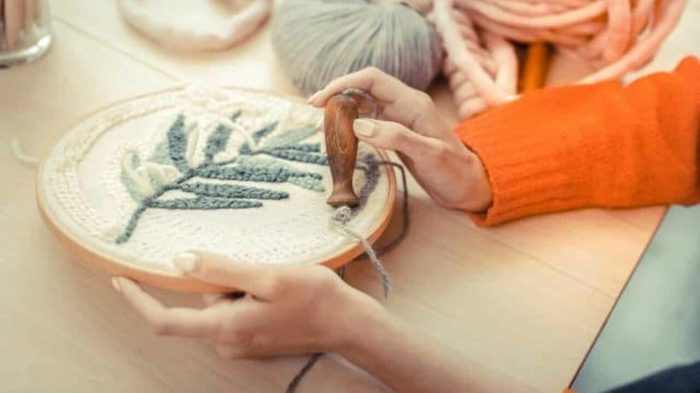
Handmade hooks, essential tools for various textile crafts, come in a diverse array of types, each designed for specific tasks and materials. Understanding the distinctions between these tools is crucial for achieving optimal results and selecting the right hook for the desired project. The choice depends on the intended fabric, the project’s complexity, and the desired outcome.Beyond the fundamental distinctions in design, hook sizes play a critical role in project success.
A smaller hook size often leads to finer details and intricate patterns, while larger sizes are suited for quicker work on larger projects. This size variation directly impacts the project’s overall aesthetic and the time required for completion.
Crochet Hooks
Crochet hooks are characterized by their curved, pointed tips and varying thicknesses. These tools are specifically designed for creating looped stitches, resulting in a wide range of textures and patterns. The versatility of crochet hooks is evident in their use for various projects, including blankets, sweaters, amigurumi toys, and home décor.
- Hook sizes significantly influence the stitch size and the overall appearance of the finished product. Smaller hooks create tighter stitches, while larger hooks produce looser stitches. This allows for diverse interpretations of patterns and designs.
- Common crochet hook materials include aluminum, wood, plastic, and metal. Each material has its own characteristics, such as weight, comfort, and durability. For instance, wooden crochet hooks are often favored for their comfortable grip and aesthetic appeal, while aluminum hooks offer a lighter alternative.
- Numerous crochet projects showcase the versatility of this technique. These include amigurumi characters, intricate lace doilies, and cozy blankets, demonstrating the scope of creative possibilities available to crocheters.
Knitting Hooks
Knitting hooks, distinct from crochet hooks, are characterized by their straight, often slightly tapered, shapes. They are primarily used for creating interlocking loops, forming the fundamental structure of knitted fabrics. This tool is ideal for producing garments, accessories, and a vast range of other knitted items.
- Knitting hooks come in a variety of sizes, directly impacting the gauge or stitch density of the final product. Smaller hooks result in tighter, more compact knitting, while larger hooks create looser, wider stitches.
- Different materials like wood, plastic, and metal offer varying levels of comfort and durability. The selection of material is crucial, as the texture and weight can significantly impact the knitting experience.
- A diverse range of projects, from cozy sweaters to stylish hats, benefit from the use of knitting hooks. The versatility extends to intricate patterns and designs, showcasing the wide range of possible outcomes.
Tapestry Hooks
Tapestry hooks, known for their robust construction and large, often blunt, tips, are designed for working with thicker yarns or fabrics. These tools are specifically suited for creating textured surface designs, incorporating a variety of yarns and techniques. Their intended use is often in creating tapestry art and other surface designs.
- Tapestry hooks are available in a range of sizes, corresponding to the yarn weight and project complexity. Larger hooks facilitate the handling of thicker yarns and the creation of bolder stitches.
- The hook’s material, typically metal, contributes to its durability and strength, making it suitable for projects involving substantial yarns.
- Tapestry hooks are commonly used for creating wall hangings, decorative panels, and textile art. The unique textured stitches and varied color palettes of these projects demonstrate the creative potential of tapestry hooks.
Comparison Table
| Hook Type | Shape | Stitch Type | Yarn Type | Project Examples |
|---|---|---|---|---|
| Crochet | Curved, pointed | Looped | Various | Blankets, amigurumi, lace doilies |
| Knitting | Straight, tapered | Interlocking loops | Various | Sweaters, hats, scarves |
| Tapestry | Robust, blunt | Textured | Thicker yarns | Wall hangings, textile art |
Materials and Tools
Crafting handmade hooks involves a careful selection of materials and tools, each playing a crucial role in achieving the desired aesthetic and functionality. The choice of material significantly impacts the hook’s durability, aesthetic appeal, and ultimate performance. Understanding the characteristics of various materials and the specific tools required for each stage of the process is essential for creating high-quality, enduring handmade hooks.
Common Materials
The selection of materials for handmade hooks is diverse, ranging from readily available to more specialized options. Common choices include metal alloys like steel, copper, and brass, known for their strength and versatility. Natural materials such as wood, bone, and horn offer a unique aesthetic and can be beautifully crafted into intricate hook designs. Furthermore, synthetic materials like polymer clays and resin provide a wide array of colors and textures, enabling artists to explore various artistic styles.
Essential Tools
A well-equipped toolkit is critical for successful hook crafting. The right tools ensure precision, efficiency, and control throughout the entire process, from initial shaping to final polishing. An assortment of specialized tools, including files, grinders, and hammers, is essential for shaping and refining the chosen material. The selection of these tools directly impacts the quality and aesthetic of the final product.
- Files: Essential for smoothing and shaping the hook’s contours, allowing for fine details and a professional finish.
- Grinders: Crucial for quickly shaping larger pieces of metal or smoothing rough edges, optimizing efficiency in the crafting process.
- Hacksaw: Used for initial cuts and shaping, allowing for precise control over the material’s form.
- Hammers: Used for shaping metal hooks, providing controlled force for forming and refining contours.
- Measuring tools: Essential for ensuring accuracy in the hook’s dimensions, leading to consistent sizes and forms.
- Drill and drill bits: For creating holes, particularly important for attaching components or creating decorative elements.
- Tweezers: For precise handling and manipulation of small components, ensuring accuracy and detail.
- Pliers: For bending, shaping, and adjusting metal components, crucial for intricate designs.
- Sandpaper: Essential for smoothing rough edges and achieving a polished finish on the hook, providing a high-quality product.
Material Comparison
| Material | Pros | Cons |
|---|---|---|
| Steel | High strength, durability, and versatility; readily available; suitable for various hook types. | Can be more challenging to work with due to its hardness; may require specialized tools. |
| Copper | Aesthetically pleasing; relatively easy to work with; good conductivity; corrosion resistant. | Lower strength compared to steel; may require more care during handling and shaping. |
| Brass | Excellent combination of strength and aesthetic appeal; relatively easy to work with compared to steel; diverse finishes. | Can be more expensive than other options; may require specific tools for some finishes. |
| Wood | Sustainable and aesthetically pleasing; allows for intricate carvings and designs; unique textures. | Prone to damage from moisture and wear; requires specific finishing techniques to enhance durability. |
Tool Function Table
| Tool | Function |
|---|---|
| File | Smoothing and shaping surfaces, creating intricate details. |
| Grinder | Rapidly shaping and smoothing large pieces of metal. |
| Hacksaw | Precisely cutting and shaping materials. |
| Hammer | Forging and shaping metal components. |
| Measuring tools | Ensuring accurate dimensions for consistency. |
| Drill | Creating holes for attachments or decorative elements. |
| Tweezers | Precise handling of small components. |
| Pliers | Bending, shaping, and adjusting metal components. |
| Sandpaper | Smoothing rough edges and polishing surfaces. |
Design and Styling
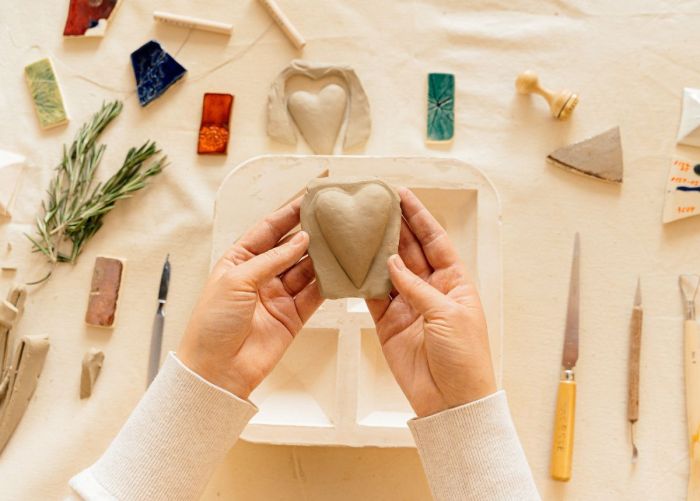
Handmade hooks transcend mere functional objects; they become artistic statements reflecting the creator’s vision and aesthetic sensibilities. Their design, often meticulously crafted, speaks volumes about the materials, techniques, and personal style of the artisan. This careful consideration of form, function, and embellishment elevates the hook beyond its practical purpose, making it a cherished item.Beyond practicality, handmade hooks are increasingly recognized for their design potential.
Trends in home décor and personal style heavily influence the choices artisans make in shaping and embellishing their creations. This dynamic interplay between artistry and current design preferences ensures handmade hooks remain relevant and desirable.
Unique Handmade Hook Designs
Handmade hook designs exhibit a remarkable range of creativity. Geometric patterns, inspired by the clean lines of modern architecture, are popular choices. Alternatively, organic shapes, mimicking natural forms, provide a softer aesthetic. Intricate floral or leaf designs, evoking nature’s beauty, are another captivating option. Animal motifs, like birds or fish, add a whimsical touch, while abstract designs showcase a unique and personal artistic vision.
Influence of Trends on Handmade Hook Design
Current trends in home décor significantly impact the aesthetic preferences for handmade hooks. The rise of minimalist interiors often translates to simpler, unadorned hook designs, featuring clean lines and neutral color palettes. Conversely, maximalist styles often encourage hooks adorned with vibrant colors, intricate patterns, and distinctive textures. This adaptation to evolving design trends allows artisans to stay current while maintaining their individual artistic flair.
Creating Custom Hook Designs
Custom hook designs are a personalized expression of an individual’s style. Starting with sketches and detailed plans is crucial for creating unique designs. Using digital design tools or traditional methods like paper templates can assist in visualizing the hook’s form and embellishments. A strong understanding of the chosen materials and their limitations is also essential to ensure the design’s feasibility.
Detailed sketches help translate the design into a tangible, functional object.
Aesthetic Considerations in Handmade Hook Creation
Aesthetic considerations are paramount in the creation of handmade hooks. Balance, symmetry, and proportion are key elements in creating visually appealing designs. Color palettes should complement the surrounding décor, while textures add depth and visual interest. The selection of materials also plays a vital role in achieving the desired aesthetic.
Embellishments for Personalization
Various embellishments personalize handmade hooks. Beads, shells, and crystals add sparkle and visual interest. Painted designs, intricate carvings, or inlaid patterns further enhance the hook’s aesthetic appeal. The choice of embellishments reflects the artist’s personal style and the desired mood of the finished product. Using a variety of materials with differing textures and finishes can create visual depth and contrast.
Crafting Methods
Handmade hooks, prized for their unique aesthetic and bespoke design, are crafted through a variety of methods. The choice of technique often hinges on the desired aesthetic, the material being worked with, and the complexity of the hook’s design. Each approach offers a distinct opportunity for personalization and artistic expression.Crafting methods for handmade hooks span from traditional techniques, like wire wrapping, to contemporary approaches, incorporating modern materials and tools.
Understanding these varied methods empowers artisans to choose the most suitable technique for their vision and skill level.
Wire Wrapping Techniques
Wire wrapping, a time-honored method, is frequently employed for creating intricate hook designs. The precise manipulation of wire allows for a range of textures and shapes. The choice of wire gauge, material, and wrapping style significantly influences the final aesthetic.
- Starting with the Base: The process typically begins by forming a basic wire structure. This could involve twisting, coiling, or bending the wire to create the hook’s core form.
- Applying the Wrap: A thin wire, often of a contrasting color or material, is meticulously wrapped around the base wire. Careful control is crucial to create even and aesthetically pleasing wraps.
- Finishing Touches: The finished wrap can be secured with a small solder, or a more secure knot. This step ensures the integrity of the design and prevents unraveling.
Casting Methods
Casting allows for the creation of intricate shapes and patterns not readily achievable through other methods. Using molds, molten metal, or resin, artisans can craft highly detailed hooks.
- Preparing the Mold: Molds are meticulously prepared to ensure the casting process results in a precise replica of the desired hook design. Materials like silicone, plaster, or even 3D-printed models are commonly used.
- Pouring the Material: The molten material (metal or resin) is poured into the mold with meticulous attention to prevent air bubbles or uneven distribution. This is critical for a flawless cast.
- Cooling and Removing: The mold is allowed to cool completely to solidify the material, after which the hook is carefully removed. The cooling process varies depending on the material used.
Sculpting and Carving Methods
Sculpting and carving are used to create hooks from solid materials like wood, bone, or stone. These methods emphasize the inherent beauty of the material and require a high degree of precision.
- Sketching and Planning: A detailed sketch of the desired hook design is crucial for outlining the carving process. This helps visualize the final form and ensures the hook’s proportions are accurate.
- Roughing Out the Form: Initial shaping is done using carving tools to establish the basic structure of the hook. The initial stages of sculpting are focused on removing excess material.
- Refining and Detailing: Precise carving tools are used to refine the hook’s shape and add intricate details. This step requires careful control and precision.
Comparison of Techniques
| Technique | Materials | Complexity | Time Required |
|---|---|---|---|
| Wire Wrapping | Wire, solder | Medium | Variable |
| Casting | Metal, resin | High | Variable |
| Sculpting/Carving | Wood, bone, stone | High | Variable |
Different techniques offer various levels of control and complexity, influencing the time required for completion. The choice of technique often depends on the artisan’s skill level and the desired aesthetic of the finished hook.
Care and Maintenance
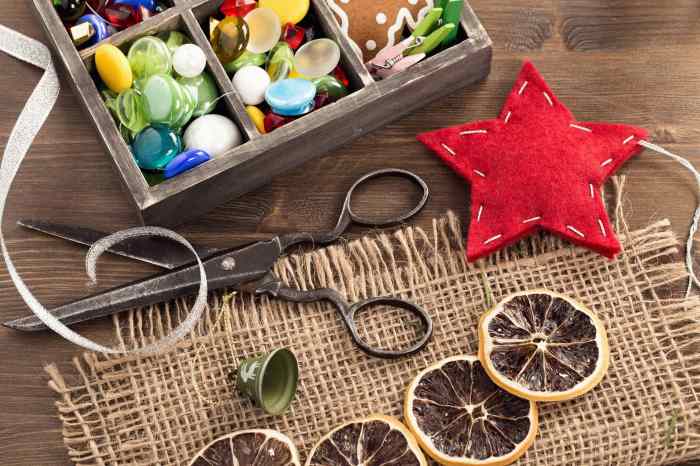
Preserving the beauty and longevity of handmade hooks requires meticulous care and attention to detail. Proper handling and storage methods are crucial to maintaining their aesthetic appeal and structural integrity. Understanding the potential sources of damage is key to preventing costly repairs or replacements.Maintaining the quality of handmade hooks hinges on understanding their inherent material properties and the environment they’re exposed to.
Different materials react differently to various conditions, necessitating tailored care regimens. Factors like humidity, sunlight, and even the type of cleaning solution used can impact the lifespan and appearance of these handcrafted items.
Cleaning Methods
Proper cleaning is essential to maintaining the pristine condition of handmade hooks. Cleaning should be done with care, avoiding harsh chemicals or abrasive materials that could damage the delicate craftsmanship. For example, mild soap and water is often sufficient for many materials. For delicate materials like certain woods or textiles, specialized cleaning solutions or professional cleaning services may be necessary.
- Gentle Cleaning: For most handmade hooks, a solution of mild dish soap and lukewarm water is sufficient. Avoid using hot water, as it can warp or damage some materials.
- Specialized Cleaning: Certain materials, such as those made from exotic woods or highly polished metals, may require specialized cleaning solutions. Always consult the manufacturer’s recommendations or a professional cleaning service for these items.
- Drying Techniques: After cleaning, carefully dry the hooks using a soft cloth or allow them to air dry completely. Avoid using harsh drying methods that could damage the finish or distort the shape of the hooks.
Storage Considerations
Proper storage is critical to preventing damage and preserving the integrity of handmade hooks. The specific storage method depends heavily on the material and design of the hook. For instance, hooks made of delicate materials might need individual protection from dust or scratches.
- Protection from Dust and Debris: Store handmade hooks in dust-free environments. Use soft, breathable fabrics or protective covers to shield them from dust and other particles that can accumulate over time.
- Prevention of Damage from Pressure: Stacking or placing heavy objects on top of hooks can cause damage. Use appropriate storage containers or shelving units to prevent these items from being crushed or deformed.
- Protection from Moisture and Humidity: Handmade hooks are susceptible to damage from moisture and humidity. Store them in well-ventilated areas that maintain a stable environment. Consider using humidity control solutions in high-humidity climates.
Avoiding Damage During Use
Careful handling is essential to preventing damage to handmade hooks. Proper technique during use and storage minimizes the risk of breakage or deterioration. For example, avoid excessive force or sudden impacts when using the hooks.
- Gentle Handling: Avoid using excessive force or rough handling when using handmade hooks. This is especially crucial when using the hooks for their intended purpose, whether it’s hanging or display.
- Preventing Accidental Impacts: Store handmade hooks in a manner that minimizes the risk of accidental impacts. Avoid placing them in areas where they could be bumped or jostled. Use cushioning materials when storing multiple hooks together.
- Avoiding Harsh Chemicals: Avoid exposing handmade hooks to harsh chemicals or cleaning agents that can damage the material. Use only appropriate cleaning solutions, or consult a professional for specific recommendations.
Factors Causing Damage
Several factors can contribute to the damage of handmade hooks. Understanding these factors is crucial for preventive measures. Environmental conditions play a significant role, and improper storage or handling can also lead to deterioration.
- Environmental Factors: Extreme temperatures, high humidity, and direct sunlight can degrade the quality of handmade hooks. Protect them from these elements to ensure their longevity.
- Improper Handling: Rough handling, dropping, or applying excessive force during use can cause damage to the hooks. Always handle them with care.
- Exposure to Chemicals: Certain chemicals can corrode or damage the materials used in handmade hooks. Avoid exposure to such substances.
Handmade Hook Uses

Handmade hooks, far from being mere decorative elements, are indispensable tools in a wide array of crafting endeavors. Their versatility stems from the diverse materials and designs available, each tailored to specific tasks and aesthetic preferences. From intricate embroidery to robust macrame projects, handmade hooks offer a unique tactile experience and unparalleled precision.
Project Versatility
Handmade hooks cater to a broad spectrum of crafting needs, extending beyond their initial application. Their ability to adapt to different materials and techniques makes them valuable assets in various artistic pursuits. The selection of the appropriate hook is crucial for success, directly influencing the project’s outcome and overall aesthetic.
Handmade Hook Types and Project Matching
The choice of the right hook hinges on several factors, including the project’s intended use, the material being worked with, and the desired aesthetic. A careful consideration of these factors ensures a harmonious blend of form and function. Below is a table highlighting the common types of handmade hooks and their suitability for specific projects.
| Project Type | Handmade Hook Type | Description |
|---|---|---|
| Embroidery | Tapestry needle | Ideal for delicate embroidery stitches, especially on fabric with varying textures. |
| Macrame | Thick, durable hook | Used for strong knots and intricate patterns in macrame, often involving thick cords or ropes. |
| Knitting | Knitting needles | Essential for creating knitted fabrics, with varying sizes and types catering to different yarn weights. |
| Crocheting | Crochet hook | Used for creating crocheted items, with hook sizes determining the size and texture of the final product. |
| Weaving | Shuttle hook | Specialized for weaving projects, facilitating the passage of the weft thread through the warp. |
| Jewelry making | Beading needle | Designed for threading beads and creating intricate jewelry designs. Precision and durability are key. |
Choosing the Right Hook
Several key factors guide the selection of the optimal handmade hook. The material of the project, the desired stitch, and the desired outcome all contribute to the selection process. Consider the weight and type of yarn, the thickness of the cord, or the size of the beads for accurate selection. The hook’s size and shape will affect the outcome.
Specific Project Examples
Different projects necessitate different hook types. For instance, a tapestry needle, with its fine point and slender shape, is ideal for embroidery on delicate fabrics, allowing for intricate detail and precise stitch placement. Conversely, a thick, durable hook is crucial for macrame projects involving heavy cords or ropes, enabling strong knots and intricate patterns. A crochet hook, in various sizes, allows for the creation of a wide range of crocheted items, from delicate lace to robust blankets.
Marketing and Selling Handmade Hooks
Handmade hooks, crafted with artistry and precision, can find a dedicated market. Successful marketing hinges on understanding the target audience, crafting a compelling brand narrative, and employing effective strategies to reach potential customers. From online marketplaces to local craft fairs, the methods for selling handmade hooks are diverse and require careful consideration.Effective strategies for reaching customers and driving sales are crucial for the success of handmade hook businesses.
A well-defined marketing plan, combined with a clear pricing strategy, can significantly impact the profitability and sustainability of the enterprise. This includes developing a strong brand identity and using appropriate packaging to enhance the perceived value of the product.
Online Sales Strategies
Establishing an online presence is essential for reaching a broader customer base. Platforms like Etsy, Shopify, and dedicated craft marketplaces offer robust e-commerce tools, enabling the direct sale of handmade hooks. Professional-looking product photography, detailed product descriptions, and customer reviews are vital to build trust and attract potential buyers. Utilizing social media platforms like Instagram and Pinterest, where visual appeal is paramount, can be highly effective for showcasing hooks and engaging with customers.
Offline Sales Strategies
Participating in local craft fairs, farmers’ markets, and art shows provides opportunities to directly engage with potential customers. Creating a visually appealing booth, offering demonstrations of the hook’s use, and providing personalized customer service are crucial to driving sales. Collaboration with local businesses, such as boutiques or home décor stores, can expand reach and offer a broader customer base.
Pricing Strategies
Pricing handmade hooks requires careful consideration of production costs, materials, time invested, and the perceived value of the product. A common strategy involves calculating the cost of materials, labor, and overhead expenses. Adding a markup based on these factors can help ensure profitability. Competitive analysis of similar handmade hooks can provide insights into market pricing trends. Consider offering various pricing tiers based on hook size, material type, or embellishments.
Branding and Packaging Options
Crafting a unique brand identity is crucial to establishing a recognizable and trustworthy image. This includes selecting a memorable name, logo, and color palette. Elegant packaging, tailored to the brand aesthetic, elevates the product’s perceived value. Consider using high-quality materials, such as kraft paper, recycled cardboard, or custom-designed boxes, to enhance the unboxing experience. Incorporating the brand story into the packaging can create an emotional connection with the customer.
Showcasing Handmade Hooks
High-quality product photography is essential to showcase the craftsmanship and aesthetic appeal of the hooks. Detailed product images, ideally from multiple angles, highlight the hook’s unique features. Videos demonstrating the hook’s versatility in use can further engage customers and showcase the craftsmanship. Consider creating visually engaging product displays, such as showcasing hooks in different settings to inspire customers.
Marketing Strategies for Handmade Hooks
| Marketing Strategy | Description | Effectiveness |
|---|---|---|
| Social Media Marketing | Leveraging platforms like Instagram, Facebook, and Pinterest to showcase hooks, engage with potential customers, and run targeted ads. | High. Visual platforms are ideal for showcasing handmade items. |
| Online Marketplaces | Selling handmade hooks on Etsy, Shopify, and similar platforms to reach a wider audience. | High. These platforms offer established customer bases. |
| Local Craft Fairs | Participating in local craft fairs to engage directly with customers and showcase products. | Medium to High. Provides a direct interaction opportunity. |
| Collaborations | Partnering with complementary businesses or influencers to expand reach. | High. Exposure to new audiences. |
| Content Marketing | Creating blog posts, articles, or videos about handmade hooks to establish expertise and attract customers. | Medium. Requires consistent effort for long-term impact. |
History and Culture of Handmade Hooks
Handmade hooks, far from being mere utilitarian tools, have woven themselves into the fabric of human history and culture, reflecting societal values, technological advancements, and artistic expression. Their evolution mirrors the broader development of human ingenuity and craftsmanship.From ancient civilizations to modern artisans, the creation and use of handmade hooks have been deeply intertwined with the daily lives and cultural narratives of diverse communities.
Early Forms and Materials
The earliest hooks, predating recorded history, were likely fashioned from natural materials like bone, wood, or stone. These rudimentary tools were crucial for tasks such as fishing, gathering, and hunting. The development of more refined materials like bronze and iron marked significant advancements in both functionality and aesthetic design. These materials allowed for stronger and more durable hooks, enabling increased productivity in various activities.
Cultural Significance in Different Societies
Handmade hooks, in many cultures, held symbolic importance beyond their practical applications. They often served as representations of resourcefulness, resilience, and connection to the natural world. For example, in some indigenous cultures, hooks might be decorated with intricate patterns and symbols that conveyed specific stories or beliefs. This cultural significance underscores the deeper role these tools played in shaping societal values and traditions.
Historical Designs and Examples
Examples of historical handmade hooks reveal a fascinating spectrum of styles and techniques. Ancient Egyptian hooks, often found in archaeological sites, showcased intricate craftsmanship, reflecting the advanced metalworking skills of the time. Similarly, medieval European hooks, often incorporated into architectural features or household implements, demonstrated a focus on functionality and aesthetic appeal. Early American hooks, crafted by settlers and pioneers, often exhibited a robust design reflecting the demands of frontier life.
A table summarizing some of these historical variations can be helpful:
| Culture | Material | Design | Purpose |
|---|---|---|---|
| Ancient Egypt | Bronze | Intricate, often ornate | Fishing, possibly ceremonial |
| Medieval Europe | Iron | Simple, functional | Household use, architectural elements |
| Indigenous Americas | Bone, wood | Decorative patterns | Hunting, gathering, tools |
Evolution of Techniques and Styles
The evolution of handmade hook making is a testament to human ingenuity. Early methods involved simple shaping and drilling techniques, but over time, more sophisticated tools and techniques emerged. The introduction of metalworking techniques, such as forging and soldering, allowed for the creation of more complex and refined hooks. The advent of new materials, like steel and specialized alloys, further enhanced the performance and durability of handmade hooks.
Craftsmanship Stories
Numerous stories exist about the dedication and skill of artisans who crafted handmade hooks. These stories often highlight the meticulous attention to detail, the passion for their craft, and the pride in creating functional and beautiful objects. Many artisans passed down their knowledge and skills through generations, ensuring the continuation of traditional techniques. One such example might be the stories of blacksmiths who meticulously crafted hooks for specific tasks, each with its own unique design.
Modern Trends in Handmade Hooks
Handmade hooks, once a niche craft, are experiencing a resurgence fueled by evolving consumer tastes and a growing appreciation for bespoke products. This resurgence is particularly evident in the modern interpretation of these functional yet decorative items, marked by a fusion of traditional techniques with contemporary design aesthetics. The demand for unique, personalized, and environmentally conscious handmade hooks is driving a significant shift in the market.Modern handmade hooks are no longer simply functional tools; they are statements of personal style.
The appeal extends beyond their practical use, incorporating artistic elements and sustainable materials. This evolution reflects a broader trend towards personalization and a conscious consumption model, with consumers actively seeking unique and ethically sourced products.
Materials and Techniques
The range of materials used in modern handmade hooks is expanding beyond traditional options. Natural materials like reclaimed wood, sustainably harvested bamboo, and ethically sourced horn are gaining popularity. These choices often align with environmentally conscious consumer preferences. Modern techniques also encompass innovative approaches such as resin casting, intricate wood carving, and the use of upcycled materials, resulting in visually stunning and unique hooks.
These techniques enhance the handcrafted aesthetic and provide greater versatility in design.
Modern Design Styles
Modern design principles are influencing the aesthetics of handmade hooks. Geometric shapes, clean lines, and minimalist forms are becoming increasingly common. These designs are often paired with muted color palettes and natural finishes, reflecting a contemporary aesthetic. Moreover, handmade hooks are increasingly incorporating asymmetry and unique details to emphasize individuality and personalization. These modern designs move beyond purely functional objects and contribute to the overall décor of a space.
Factors Driving Demand
Several factors are propelling the demand for modern handmade hooks. The rise of social media platforms has significantly increased visibility for independent artisans and their unique products. This increased visibility allows consumers to discover and appreciate the craftsmanship and artistry behind each piece. The growing emphasis on sustainability and ethical sourcing further motivates consumers to choose handmade hooks, aligning with a conscious consumption approach.
Furthermore, the desire for personalized and unique home décor items is driving demand for one-of-a-kind handmade hooks.
Modern Handmade Hook Designs
| Design Category | Description | Materials | Example |
|---|---|---|---|
| Geometric Minimalism | Clean lines, geometric shapes, and muted color palettes. | Reclaimed wood, metal, or resin. | A hook featuring a precisely carved trapezoidal shape in reclaimed wood with a matte black finish. |
| Rustic Chic | Natural materials, warm tones, and slightly imperfect details. | Natural wood, bamboo, or horn. | A hook made from sustainably harvested bamboo with a slightly distressed finish. |
| Bohemian Rhapsody | Intricate patterns, vibrant colors, and unique textures. | Woven materials, dyed wood, or resin with embedded embellishments. | A hook featuring hand-woven macrame with brightly colored tassels. |
| Industrial Elegance | Raw materials, metal accents, and industrial-inspired designs. | Metal, recycled metal, or concrete. | A hook made from repurposed metal pipe with a patina finish. |
Ultimate Conclusion
In conclusion, handmade hooks transcend their functional role, becoming cherished expressions of artistry. This exploration of their creation, from historical contexts to modern trends, reveals the enduring appeal of these meticulously crafted tools. By understanding the various types, materials, and crafting methods, individuals can unlock a world of possibilities for diverse projects, highlighting the continued importance of craftsmanship in today’s world.
