
High ceilings present a unique lighting challenge, demanding solutions that balance aesthetics with functionality. Beyond simply illuminating the space, the right lighting design can dramatically impact the ambiance and perceived size of a room. Effective high-ceiling lighting strategies consider room size and shape, fixture types, light distribution, and even the integration of smart controls. This comprehensive guide explores the crucial factors for achieving optimal illumination in these expansive environments.
From recessed spotlights to dramatic chandeliers, the choices are vast. Understanding the nuances of light distribution, the interplay of color temperature, and the role of accent lighting are key to crafting a space that feels both impressive and inviting.
Introduction to High Ceiling Lighting
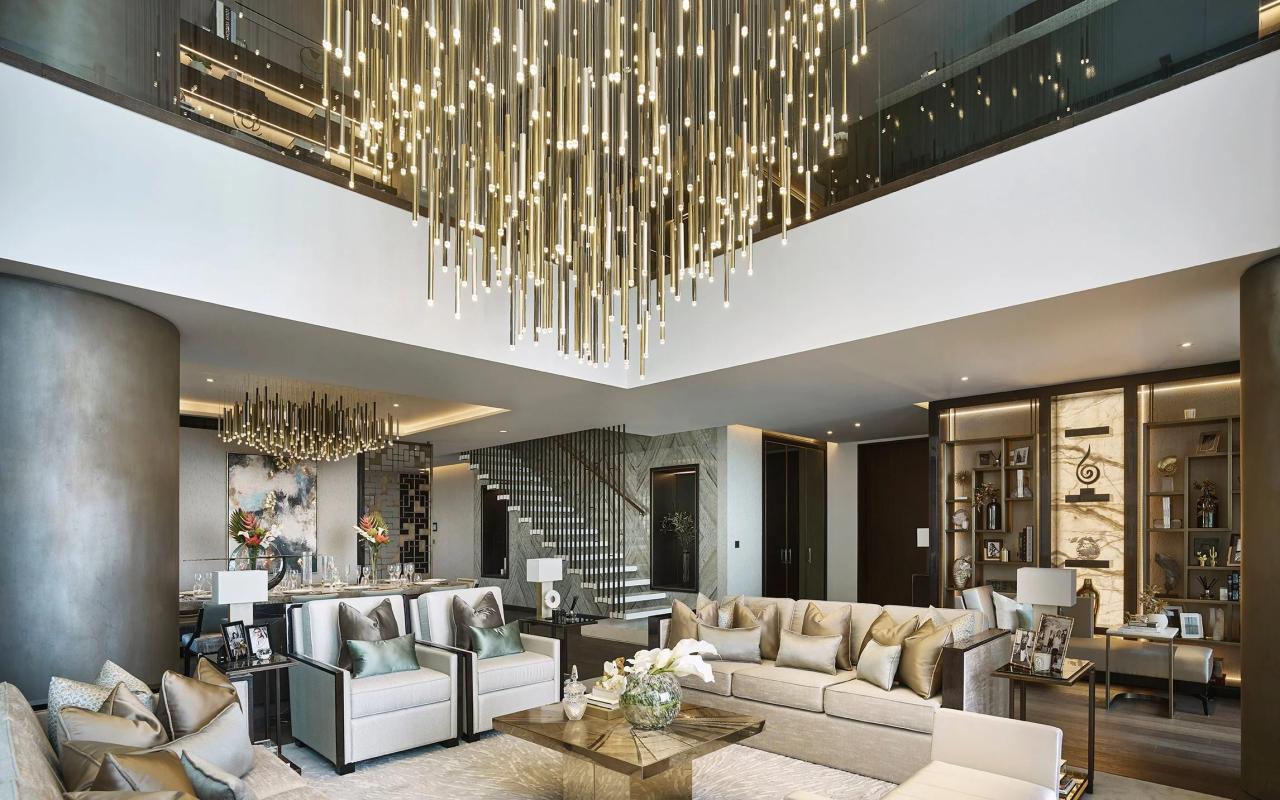
High ceilings, a hallmark of grand architecture and modern design, present unique challenges for effective illumination. Simply installing standard fixtures often results in insufficient light coverage, uneven distribution, and an overall underwhelming aesthetic. Addressing these issues requires a nuanced understanding of the space’s dimensions, the desired ambiance, and the specific types of lighting best suited to the task.The sheer volume of space necessitates a strategic approach to light placement and intensity.
Ignoring these complexities can lead to poorly lit areas, wasted energy, and a compromised visual experience. This section details the considerations crucial for achieving optimal lighting in high-ceilinged environments.
Lighting Challenges in High Ceilings
High ceilings create several significant lighting challenges. The primary issue is the distance between the light source and the floor. This distance requires fixtures capable of projecting light over considerable vertical space. Furthermore, the large area necessitates careful consideration of light distribution to avoid dark spots and shadows. Uneven illumination can diminish the perceived spaciousness and elegance of the room.
Poorly designed lighting can also accentuate architectural flaws or create an uncomfortable visual experience.
Suitable Lighting Fixtures for High Ceilings
Various lighting fixtures excel at illuminating high-ceiling spaces. Recessed spotlights, often employed for accentuating architectural features or specific areas, are effective in delivering focused light. Pendant lights, hanging from the ceiling, offer a versatile approach, providing ambient and task lighting depending on the design and size. Track lighting systems, with their adjustable heads, provide excellent flexibility in directing light precisely where needed.
Linear lighting fixtures, such as those utilizing LED strips or tubes, can be installed along walls or ceilings to create a seamless and diffused illumination. Chandeliers, particularly in grand spaces, can add a touch of drama and elegance, offering both ambient and decorative lighting.
Importance of Light Distribution in Large Spaces
Uniform light distribution is critical in high-ceilinged environments. A well-distributed light source ensures that every corner of the room is adequately illuminated, preventing dark spots and minimizing the need for supplementary lighting. This creates a sense of spaciousness and a visually appealing environment. A balanced illumination scheme also helps reduce energy consumption by eliminating the need for excessive lighting in areas that already have sufficient illumination.
Consideration must also be given to the type of activity the space will be used for. A gallery space, for example, will require different light distribution than a living room.
Recessed vs. Pendant Lighting Comparison
| Feature | Recessed Lighting | Pendant Lighting |
|---|---|---|
| Installation | Easy to install, often integrated into the ceiling structure | Requires mounting hardware and can be more complex to install |
| Light Distribution | Can create focused beams or pools of light | Provides ambient lighting that covers a broader area |
| Aesthetic | Modern, sleek appearance, often unobtrusive | Can add a decorative element, varying significantly by style |
| Maintenance | Relatively easy to access and maintain | Access may be more challenging depending on the fixture |
| Cost | Generally more economical, especially for large-scale projects | Can vary depending on the material and design of the fixture |
Impact of Room Size and Shape
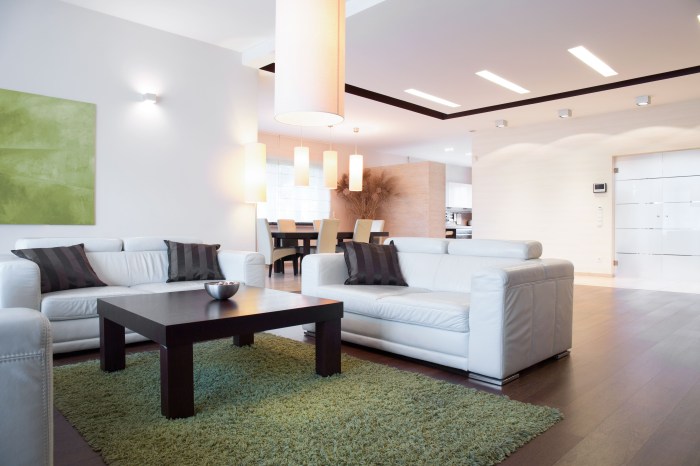
High-ceilinged spaces, while visually impressive, present unique lighting challenges. The interplay of room size, shape, and ceiling height significantly influences the effectiveness of any lighting design. Understanding these factors is crucial for achieving optimal illumination and ambiance.Room dimensions directly impact the quantity and type of lighting fixtures required. A small room with high ceilings might benefit from strategically placed accent lights to highlight architectural features, while a vast space could necessitate multiple fixtures for uniform coverage.
The overall aesthetic and function of the room are paramount when choosing the optimal lighting solution.
Room Size and Lighting Quantity
Proper lighting quantity is essential for high-ceilinged rooms. A larger room demands more light sources to achieve an even distribution of illumination across the entire space. Insufficient lighting can create dark corners and uneven brightness levels, compromising functionality and aesthetic appeal. Conversely, excessive lighting can be wasteful and create a harsh environment. Careful consideration of the room’s intended use is crucial in determining the appropriate lighting levels.
For example, a vast, high-ceilinged dining room needs significantly more ambient lighting than a compact home office.
Room Shape and Light Distribution
Room shape affects how light reflects and distributes within the space. Rectangular rooms, with their straight lines and defined corners, lend themselves to linear lighting fixtures or strategically placed pendants. Circular or oval rooms, with their flowing lines, may benefit from more diffused lighting fixtures to minimize harsh shadows and enhance the overall sense of spaciousness. The curvature of the room can alter the way light interacts with surfaces, potentially creating unusual effects.
A circular room, for instance, might benefit from multiple, smaller fixtures strategically placed to avoid harsh focal points.
Rectangular vs. Circular Rooms
Rectangular rooms with high ceilings often benefit from a combination of ambient and accent lighting. Long, narrow spaces might require multiple linear fixtures along the walls or strategically placed pendant lights above key areas. In contrast, circular rooms with high ceilings demand a more diffused approach to lighting. Multiple, smaller fixtures or a central chandelier, carefully positioned, can create a balanced and visually appealing illumination scheme.
Light Fixture Placement Suggestions
The ideal placement of light fixtures depends on the room’s shape. A table demonstrating potential fixture placements for various room shapes follows:
| Room Shape | Fixture Type Suggestions | Placement Considerations |
|---|---|---|
| Square | Recessed downlights, track lighting, or a combination of pendant lights and wall sconces | Ensure even illumination across the room. Avoid clustering fixtures in one area. |
| Oval | Chandeliers, multiple pendant lights, or recessed spotlights | Consider the room’s focal points and architectural details. Utilize light to highlight the room’s unique curves. |
| Irregular | A combination of recessed downlights, wall sconces, and strategically placed pendant lights | Focus on zones within the room, providing specific illumination for different activities or areas. Consider using dimmer switches for adjustable brightness. |
Types of High Ceiling Lighting Fixtures
High ceilings present a unique opportunity to elevate a space’s aesthetic appeal and functionality. Selecting the right lighting fixtures is crucial for maximizing the visual impact of these lofty interiors, ensuring both ambiance and practicality. Choosing fixtures that complement the architectural design and overall style is key.Sophisticated lighting design in high-ceilinged spaces is not just about illumination; it’s about creating a visual narrative that draws the eye upwards and enhances the perception of grandeur.
The choice of fixtures directly affects the ambiance, whether aiming for a modern minimalist feel or a classic, opulent atmosphere.
Track Lighting
Track lighting systems offer a versatile and adaptable approach to illuminating high ceilings. These systems allow for directional control, enabling targeted illumination of specific areas, artworks, or architectural features. Track lighting is ideal for showcasing gallery-like displays or highlighting unique design elements. Its adaptability is a significant advantage in spaces where specific task lighting or accentuation is needed.
However, track lighting can sometimes look cluttered if not carefully planned and installed.
Chandeliers
Chandeliers are timeless fixtures that bring a touch of elegance and sophistication to high-ceilinged rooms. Their elaborate designs and cascading light often amplify the sense of grandeur in a space. The size and style of the chandelier should be carefully considered to avoid overwhelming the room. Large, intricate chandeliers in a vast space can create a dramatic focal point.
Conversely, a smaller, simpler chandelier might get lost in a very high ceiling. The style of the chandelier should complement the overall interior design, maintaining harmony and balance.
Pendant Lights
Pendant lights are a popular choice for high ceilings due to their versatility and ability to add a touch of personality to a room. They offer flexibility in terms of design, style, and light output, from modern minimalist designs to more ornate and elaborate styles. Pendant lights are well-suited for task lighting in kitchens or dining areas, or for ambient lighting in living spaces.
Their varying sizes and styles allow for customization, adapting to diverse architectural and aesthetic preferences. However, the proper sizing and positioning are critical to avoid visual clutter.
Recessed Lights
Recessed lighting, often hidden within the ceiling structure, provides a clean, minimalist aesthetic. Its inconspicuous nature is suitable for modern and contemporary designs. Recessed lights are highly effective for general ambient illumination. They offer a wide array of options, from adjustable beam angles to various light outputs, catering to specific lighting requirements. However, the installation of recessed lights can be more complex and potentially costly.
Linear Fixtures
Linear fixtures are an efficient choice for high ceilings, especially for large spaces. Their elongated design effectively illuminates long hallways or expansive rooms. They offer a clean and contemporary aesthetic. Linear fixtures are particularly suitable for areas that require uniform lighting across a broad expanse, such as commercial spaces or large residential areas. Their long, continuous forms can, however, sometimes create a sense of monotony if not balanced by other design elements.
Aesthetic Considerations
Selecting the right fixture involves more than just functionality. The aesthetic impact is equally important. The style and scale of the fixture should complement the room’s architectural features and overall design. A chandelier in a modern minimalist space might feel out of place, while a simple pendant light in a classic room might not make the statement needed.
Consider the color temperature and light output to achieve the desired ambiance.
Lighting Fixture Suitability Table
| Fixture Type | Mounting Method | Suitable for High-Ceiling Spaces (Small/Medium/Large) | Aesthetic Considerations |
|---|---|---|---|
| Track Lighting | Track system | Small to Large | Versatile, adaptable, potentially cluttered |
| Chandeliers | Hanging | Large | Elegant, sophisticated, scale-sensitive |
| Pendant Lights | Hanging | Small to Large | Versatile, customizable, careful sizing |
| Recessed Lights | Ceiling mounting | Small to Large | Clean, minimalist, complex installation |
| Linear Fixtures | Ceiling mounting | Large | Efficient, contemporary, uniform lighting |
Light Distribution and Illumination
Achieving uniform illumination in high-ceiling spaces presents unique challenges. Proper light distribution is crucial for preventing dark spots and glare, ensuring a comfortable and aesthetically pleasing environment. Strategies for achieving this balance require careful consideration of fixture placement, light intensity, and color temperature. A well-designed lighting scheme enhances the perceived size and grandeur of the room, while avoiding visual discomfort.
Strategies for Even Light Distribution
Uniform light distribution in high-ceiling rooms demands careful planning. Multiple fixtures, strategically positioned, can prevent dark corners and create a seamless transition from light to shadow. Employing a combination of direct and indirect lighting can distribute light more evenly across the space. Using fixtures with wider light beams and adjustable arms is often beneficial. The layout should consider the shape and dimensions of the room, allowing for even coverage without creating glare or overly harsh shadows.
Preventing Dark Spots and Glare
High ceilings, combined with the inherent challenges of distributing light effectively, can create dark spots and glare. Using multiple fixtures, ideally with adjustable arms, allows for precise control of light direction. Fixtures should be strategically placed to avoid direct light beaming into the eyes of occupants. This approach minimizes the likelihood of glare, promoting a more comfortable visual experience.
Utilizing reflective surfaces, like strategically positioned mirrors or glossy walls, can help to bounce light around the room, mitigating dark areas.
Light Intensity and Color Temperature
Light intensity plays a critical role in high-ceiling environments. Insufficient light intensity can lead to a dim, uninviting atmosphere, while excessive intensity can cause glare. The optimal intensity should balance the size of the room with the intended ambiance. Color temperature, another key aspect, significantly influences the mood and overall aesthetic of the space. Warm tones create a cozy and inviting atmosphere, while cool tones evoke a more modern and invigorating feel.
The selection of color temperature should align with the intended use and design aesthetic of the high-ceiling room.
Color Temperature Impact on Mood
| Color Temperature (Kelvin) | Impact on Mood | Ambiance |
|---|---|---|
| 2700K – 3000K (Warm White) | Inviting, cozy, relaxing | Homely, intimate |
| 3000K – 4000K (Neutral White) | Balanced, versatile, comfortable | Modern, versatile |
| 4000K – 5000K (Cool White) | Energetic, stimulating, crisp | Modern, bright, airy |
The table above illustrates the diverse impact of different color temperatures. Warm white (2700K-3000K) is often preferred for residential spaces, promoting a relaxed atmosphere. Neutral white (3000K-4000K) strikes a balance, suitable for both residential and commercial applications. Cool white (4000K-5000K) is commonly used in offices or spaces requiring heightened alertness and clarity. Choosing the appropriate color temperature is vital for creating a desired ambiance in high-ceiling spaces.
Lighting Control and Automation
High-ceiling spaces, often characterized by their grandeur and open layouts, present unique challenges for lighting control. Effective management of illumination in these areas is crucial for both aesthetic appeal and energy efficiency. Sophisticated lighting control systems, incorporating dimmers and smart technologies, are increasingly vital for achieving optimal results.Advanced lighting control systems empower users to orchestrate the ambiance of high-ceiling spaces, seamlessly transitioning between different lighting scenarios.
This sophisticated approach to lighting not only enhances the aesthetic experience but also optimizes energy consumption, aligning with modern sustainability practices.
Dimmers and Smart Lighting Systems
Dimmers, traditionally used for adjusting the intensity of light sources, are now integrated into sophisticated smart lighting systems. These systems allow for remote control, scheduling, and automated adjustments based on ambient conditions or occupancy sensors. This adaptability is particularly advantageous in large, high-ceiling spaces where manual adjustments can be cumbersome. The integration of smart lighting systems with building management systems further enhances control and efficiency.
Creating Customized Lighting Scenes
Smart lighting systems empower users to program and store various lighting scenes. These pre-programmed scenarios can be easily activated, offering versatile control over the ambiance. For instance, a “presentation mode” might brighten specific areas while dimming others, whereas a “relaxation mode” might feature a softer, more ambient light distribution. The possibilities for tailoring the lighting environment to specific needs and events are extensive.
This customization is key to maximizing the potential of high-ceiling spaces.
Energy-Efficient Lighting Solutions
Energy-efficient lighting solutions are essential in high-ceiling environments. Smart lighting systems can seamlessly integrate with energy-saving technologies like LED fixtures. Advanced dimming capabilities, coupled with occupancy sensors and daylight harvesting, minimize energy waste and reduce operational costs. Examples of energy-efficient lighting strategies in high-ceiling spaces include the use of motion sensors to turn lights off when not needed, and daylight harvesting sensors to automatically adjust light levels based on natural light availability.
This leads to significant energy savings over time.
Advantages and Disadvantages of Smart Lighting Controls
“Smart lighting controls offer unparalleled flexibility and energy efficiency, but their implementation comes with considerations.”
- Advantages:
- Enhanced ambiance and customization.
- Significant energy savings through automated adjustments.
- Simplified management and control through remote access.
- Integration with building management systems for streamlined control.
- Potential for improved safety and security through strategically placed lights.
- Disadvantages:
- Initial investment costs can be higher compared to traditional systems.
- Potential for system failures or vulnerabilities if not properly installed and maintained.
- Complexity in programming and managing advanced lighting scenarios can require specialized expertise.
- Compatibility issues may arise when integrating with existing building systems.
- Dependence on reliable power sources and internet connectivity for optimal performance.
Accent Lighting Techniques
Elevating the ambiance of high-ceilinged spaces requires a strategic approach to lighting beyond general illumination. Accent lighting, carefully employed, can transform a room from merely functional to exquisitely designed, drawing attention to architectural details and creating a captivating spatial experience. The key is understanding how to direct light effectively, choosing the right color temperature, and adjusting intensity for the desired effect.Accent lighting isn’t just about adding brightness; it’s about sculpting the space, emphasizing key features, and layering depth and dimension.
It can highlight unique architectural elements, such as intricate moldings, soaring ceilings, or custom fireplaces, turning them into focal points that enrich the overall design narrative.
Spotlighting Architectural Details
Strategic placement of spotlights is crucial for highlighting specific architectural features. These fixtures, often equipped with adjustable heads, allow precise control over the light’s direction and intensity. By focusing a beam of light on a particular detail, such as a decorative cornice or a unique window frame, the spotlight accentuates its form and texture, making it stand out against the overall backdrop.
The interplay of light and shadow can dramatically transform the perception of the space.
Utilizing Uplighting for Height and Dimension
Uplighting, strategically positioned to shine upward, is an excellent technique for emphasizing the height of a room’s ceiling. This technique creates an ethereal glow that dramatically alters the perception of space. Using fixtures with adjustable angles allows for customization to suit the specific architectural details and desired ambiance. This approach is particularly effective in highlighting intricate ceiling designs, creating a captivating interplay of light and shadow.
For instance, uplighting aimed at sculpted architectural features, like decorative beams or elaborate moldings, accentuates their depth and artistry.
Downlighting for Soft Illumination and Ambiance
Downlighting, a technique involving fixtures positioned to shine downward, can create a warm and inviting atmosphere. Often used in combination with other accent lighting techniques, downlighting provides a softer illumination, diffusing light and creating a more intimate and welcoming environment. This approach is particularly effective for highlighting artwork, creating a focal point, or enhancing the overall visual appeal of a room.
Consider recessed downlights for a clean, unobtrusive aesthetic. For instance, a carefully placed cluster of downlights focused on a collection of paintings can draw the eye to the artwork, enriching the room’s aesthetic appeal.
Color Temperature and Intensity Selection
Choosing the right color temperature and intensity for accent lighting is critical to achieve the desired aesthetic. Warmer color temperatures, such as 2700K, create a cozy and inviting atmosphere, while cooler temperatures, like 3000K, can impart a more modern or contemporary feel. Intensity should be adjusted based on the specific feature being highlighted and the overall ambiance of the room.
For instance, a subtly lit fireplace with a warm color temperature creates a welcoming focal point, whereas a brightly lit piece of artwork with a cooler color temperature adds a vibrant artistic element.
Maintenance and Safety Considerations
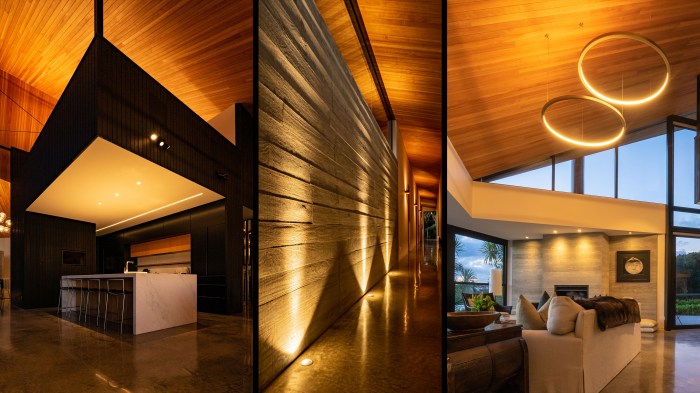
High-ceiling lighting systems, while visually impressive, demand meticulous maintenance to ensure optimal performance and safety. Neglecting these aspects can lead to costly repairs, potential hazards, and diminished aesthetic appeal. Proper maintenance schedules and adherence to safety protocols are crucial for longevity and risk mitigation.
Importance of Regular Maintenance
Regular maintenance of high-ceiling lighting fixtures is not merely a best practice; it’s a necessity. Proactive maintenance minimizes the risk of catastrophic failures, potentially preventing significant disruptions to operations and substantial financial losses. It also extends the lifespan of the equipment, reducing the need for costly replacements and optimizing energy efficiency. Routine inspections can identify minor issues before they escalate into major problems, saving both time and resources.
Safety Precautions for High-Ceiling Work
Working with high-ceiling lights requires strict adherence to safety protocols. Elevated work environments present inherent dangers, and neglecting safety precautions can result in serious injuries. Proper fall protection equipment, including harnesses and lifelines, is essential. Specialized rigging and hoisting equipment must be used to prevent accidents. Furthermore, lockout/tagout procedures should be meticulously followed to ensure power is completely disconnected before any maintenance or repair work commences.
Electrical safety training is crucial for all personnel involved.
Specific Maintenance Requirements for Different Fixture Types
Maintenance requirements vary significantly depending on the type of high-ceiling fixture. LED fixtures, for instance, typically require less frequent maintenance compared to older technologies like metal halide. However, even LED fixtures may need cleaning and inspection to prevent dust accumulation and ensure optimal light output. For systems with complex components, such as motorized tracks or intricate control systems, specialized technicians with the appropriate training and equipment are necessary.
Maintenance Schedule for Various Fixtures
| Fixture Type | Typical Maintenance Schedule |
|---|---|
| LED Track Lighting | Quarterly inspection for dust accumulation, cleaning as needed. Annual check of power supply and control systems. |
| Suspended Chandeliers | Bi-annual cleaning to remove dust and debris. Inspection for damage and secure mounting every 6 months. |
| High-Bay Metal Halide Fixtures | Monthly inspection for ballast issues. Quarterly cleaning of the fixtures. Replace ballasts every 3-5 years depending on usage. |
| Linear Fluorescent Fixtures | Monthly inspection of ballasts and reflectors. Quarterly cleaning of the fixture surfaces. Replace fluorescent tubes every 12-18 months, depending on usage. |
Note: The schedules above are general guidelines. Specific maintenance needs may vary depending on factors such as the environment (e.g., humidity, dust levels), usage frequency, and manufacturer’s recommendations.
Budgeting for High Ceiling Lighting
High-ceiling spaces, whether in commercial or residential settings, demand specialized lighting solutions. Properly illuminating these areas requires careful consideration of both initial investment and long-term operational costs. Effective budgeting ensures the right lighting choices align with the project’s objectives and financial constraints.Strategic lighting planning is crucial to achieving desired aesthetics and functionality while optimizing energy consumption and minimizing expenses over the fixture’s lifespan.
This involves understanding the diverse range of lighting options available, their associated costs, and the long-term return on investment.
Pricing Options for Different Lighting Solutions
Various lighting technologies and fixture designs offer a spectrum of pricing options. LED fixtures, while potentially higher upfront, often yield substantial energy savings over the fixture’s lifespan. Halogen and incandescent fixtures, though less costly initially, consume more energy, leading to higher running costs and reduced long-term financial benefits. Custom-designed fixtures for unique architectural features can command a premium price but may offer superior performance and aesthetic appeal.
Comparing Initial Cost Versus Long-Term Energy Savings
The initial cost of a lighting fixture should be evaluated in the context of its energy efficiency and projected lifespan. A fixture with a higher upfront cost might have a lower operating cost over time due to energy savings. Consider factors like the fixture’s wattage, the number of hours it’s used per day, and the energy cost in the area to assess long-term savings.
For example, a high-efficiency LED fixture, while initially more expensive, can save significant amounts on electricity bills over its extended lifespan compared to traditional incandescent alternatives.
Prioritizing Lighting Needs and Creating a Budget
A detailed lighting plan is essential to create a budget. Consider the room’s function, the desired ambiance, and the specific lighting needs for different tasks. Prioritize areas requiring intense illumination and areas needing ambient light. Determine the required lumens for each zone and choose fixtures that deliver the necessary light output at the desired level of energy efficiency.
Methods for Prioritizing Lighting Needs
Prioritizing lighting needs involves evaluating the room’s specific functions and desired aesthetic. For instance, a high-ceilinged conference room might prioritize task lighting for presentations, while a foyer might need ambient lighting to create a welcoming atmosphere. Consider the number of fixtures needed, the desired light distribution, and the fixture’s aesthetic to ensure a balanced and functional design.
Sample Budget Breakdown
To effectively manage the budget, a clear breakdown of projected costs is needed. Initial costs should include fixture prices, installation costs, and any necessary wiring or electrical upgrades. Ongoing costs should include energy consumption, maintenance costs, and potential replacement expenses over the fixture’s lifespan.
Lighting Fixture Options, Cost, and Efficiency
| Fixture Option | Estimated Cost | Energy Efficiency Rating |
|---|---|---|
| LED High Bay Fixture (100W Equivalent) | $150-$300 | Excellent (90+ on a scale of 100) |
| Halogen High Bay Fixture (100W Equivalent) | $75-$150 | Fair (60-80 on a scale of 100) |
| Recessed LED Downlight (15W Equivalent) | $25-$50 | Excellent (90+ on a scale of 100) |
Note: Costs are approximate and may vary based on specific features, brand, and location. Energy efficiency ratings are estimates and can vary based on the specific fixture model.
Visual Examples and Inspiration
High ceilings, a hallmark of grandeur and sophistication, demand lighting solutions that amplify their inherent elegance. Strategic illumination can transform a space, accentuating architectural features and creating a captivating ambiance. This section explores compelling visual examples, showcasing how different lighting styles can elevate the aesthetic of high-ceilinged rooms.
Modern Designs
Modern high-ceiling spaces often favor minimalist, geometric forms. Recessed lighting, strategically placed to highlight architectural details like exposed beams or vaulted ceilings, is a common choice. Linear LED strips or pendants with clean lines, positioned along the length of a long room or clustered over a dining area, provide focused illumination while maintaining a streamlined aesthetic. The use of ambient lighting, achieved through soft, diffused light sources, prevents harsh shadows and promotes a sense of spaciousness.
Traditional Styles
Traditional high-ceilinged rooms, whether drawing inspiration from classic European or American design, benefit from lighting fixtures that reflect their heritage. Chandeliers, often elaborate and ornate, serve as striking focal points, drawing the eye upward and embodying the room’s historical context. Crystal or glass fixtures, with their glittering reflections, enhance the grandeur of the space. Sconces, mounted on walls or along the perimeter, provide softer, ambient light that complements the overall ambiance.
Industrial Designs
Industrial-style high-ceilinged spaces, characterized by exposed brickwork, raw metal, and open layouts, benefit from lighting that embraces their raw, unpolished charm. Pendant lights with metal or concrete shades, often featuring a variety of shapes and sizes, offer a powerful statement. Track lighting, mounted along the ceiling, enables flexible illumination, directing light towards specific work areas or display pieces.
Exposed bulbs, in a variety of finishes, contribute to the space’s industrial aesthetic, providing a unique and contemporary touch.
Enhancing Ambiance
Lighting plays a crucial role in defining the ambiance of a high-ceilinged room. Warm, inviting lighting creates a cozy atmosphere ideal for intimate gatherings. Cool, crisp lighting, on the other hand, evokes a more modern, sophisticated feel. By carefully selecting lighting fixtures and adjusting their intensity, homeowners can transform the mood of a space from relaxed to invigorating.
For example, a dining room with a dramatic chandelier can be transformed from a formal setting to a casual one with the addition of softer, table-mounted lighting.
Complementing Architecture and Décor
The choice of lighting should harmoniously complement the room’s architectural features and décor. A room with high, exposed beams will be significantly enhanced by lighting that highlights those beams. If the room features ornate crown molding, sconces strategically placed above the molding can accentuate the detail. For example, a high-ceilinged library with antique bookshelves can be dramatically enhanced by a combination of recessed lighting to illuminate the shelves and a chandelier to draw attention to the room’s overall architectural grandeur.
This integrated approach creates a visually cohesive and compelling environment.
Case Studies and Real-World Applications
High-ceiling spaces, whether grand ballrooms or modern offices, present unique lighting challenges. Successful implementation requires careful consideration of not only the aesthetic impact but also the functional needs of the space. The right lighting design can transform a cavernous room into a welcoming and productive environment.
Examples of Successful High-Ceiling Lighting Projects
These projects showcase how lighting choices can enhance both the aesthetic and functional aspects of high-ceiling spaces. Careful selection of fixtures and control systems can create a dynamic ambiance and efficient use of light. Aesthetics and functionality often work in tandem, creating a well-rounded experience.
Projects with Varying Design Styles and Budgets
High-ceiling lighting projects can be adapted to various design styles and budgets. A lavish ballroom may require elaborate chandeliers, while a contemporary office might benefit from sleek, modern LED fixtures. Sophisticated solutions can be designed within a budget, while extravagant options can also be implemented. A significant factor is how the lighting integrates with the existing architectural elements.
Impact of Lighting Choices on Aesthetics and Functionality
The selection of lighting fixtures and their placement directly impacts the overall aesthetic and functionality of a space. Recessed lighting can provide ambient illumination, while pendant lights or chandeliers can add a touch of elegance. Strategic placement can improve visibility and reduce glare. The interplay between light and shadow can enhance the spatial design. Consideration of the intended use of the space is crucial in choosing the right lighting solution.
Case Study Table
| Case Study | Lighting Type | Room Dimensions (approx.) | Final Cost (approx.) |
|---|---|---|---|
| Grand Ballroom Renovation | Custom-designed chandelier system with integrated LED downlights | 30 ft x 60 ft, 20 ft ceiling height | $150,000 |
| Modern Office Expansion | Recessed LED track lighting with adjustable spotlights | 40 ft x 80 ft, 15 ft ceiling height | $75,000 |
| Contemporary Gallery | Adjustable LED spotlights and accent lighting strips | 25 ft x 50 ft, 18 ft ceiling height | $30,000 |
| Industrial Warehouse Conversion | High-bay LED fixtures with motion sensors | 100 ft x 200 ft, 30 ft ceiling height | $120,000 |
Ultimate Conclusion
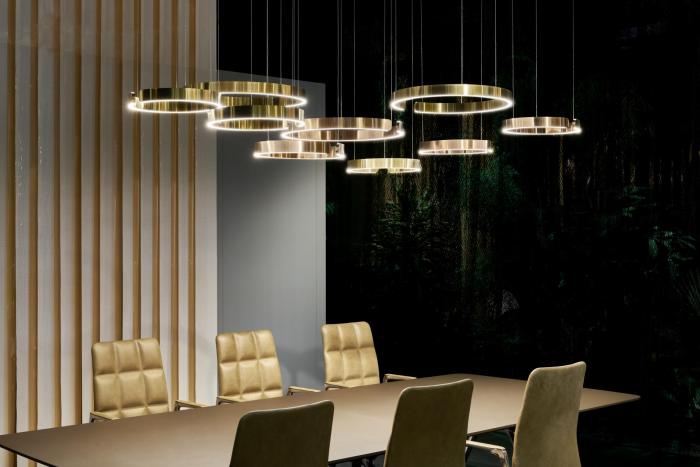
In conclusion, illuminating high ceilings requires a meticulous approach, considering not only the fixtures themselves but also the room’s unique characteristics. A well-executed lighting plan optimizes space, enhances aesthetics, and creates a truly exceptional ambiance. By carefully evaluating fixture types, light distribution, and control systems, homeowners and designers can transform expansive spaces into captivating environments.