
Organic material fruit bowls are gaining popularity as a sustainable and aesthetically pleasing alternative to traditional options. Beyond their visual appeal, these bowls offer a unique blend of environmental responsibility and refined dining experience. From the intricate designs to the eco-conscious materials, the world of organic fruit bowls presents a compelling case for a more mindful approach to food presentation.
This exploration delves into the diverse world of organic material fruit bowls, examining their environmental benefits, design considerations, and practical applications. We’ll analyze the various organic materials used, compare them to traditional options, and discuss the evolving market trends. This comprehensive overview aims to empower consumers to make informed choices about sustainable and stylish fruit presentation.
Defining Organic Material Fruit Bowls
Organic material fruit bowls are increasingly popular for their aesthetic appeal and environmental consciousness. These bowls, crafted from natural resources, offer a sustainable alternative to traditional fruit bowls while maintaining a visually appealing presence in kitchens and dining areas. Their varied designs and materials reflect a growing consumer preference for eco-friendly products.Beyond their visual appeal, organic material fruit bowls represent a shift towards more sustainable consumption.
This preference is driven by a desire to reduce reliance on non-renewable resources and minimize environmental impact through the selection of materials that are readily renewable and biodegradable.
Types of Organic Materials
Organic fruit bowls are crafted from a diverse range of materials. The choice of material significantly impacts the bowl’s aesthetic, durability, and cost. Common materials include wood, bamboo, ceramic, and various types of natural fibers. Each material offers distinct characteristics that influence the overall appeal and utility of the bowl.
Manufacturing Processes
The manufacturing processes for organic material fruit bowls vary significantly based on the chosen material. Wood bowls, for example, often involve meticulous carving or shaping techniques, ensuring a smooth and polished finish. Bamboo bowls frequently utilize a process of steam bending or molding to achieve the desired shape and size. Ceramic bowls, while still employing organic materials in the form of clay, involve complex firing processes in kilns to achieve the final product.
These manufacturing processes often involve intricate steps to maintain the natural beauty and integrity of the chosen material.
Aesthetic Styles
Organic material fruit bowls are available in a wide range of aesthetic styles. Natural wood bowls often showcase the unique grain patterns of the wood, creating a rustic and warm ambiance. Bamboo bowls can range from sleek and minimalist to intricate and decorative. Ceramic bowls can be designed with elaborate glazing techniques or kept simple and elegant, highlighting the natural tones of the clay.
Comparison of Organic Material Fruit Bowls
| Material | Durability | Cost | Aesthetic Appeal |
|---|---|---|---|
| Wood (e.g., Maple, Walnut) | High, depending on the wood type and construction | Medium to High | High, showcasing natural grain patterns |
| Bamboo | Moderate to High, depending on the treatment and construction | Medium | High, offering a modern, natural aesthetic |
| Ceramic (e.g., Earthenware, Stoneware) | High, especially glazed varieties | Low to Medium | High, allowing for intricate designs and glazing |
| Natural Fibers (e.g., Rattan, Seagrass) | Moderate, susceptible to moisture and wear | Low to Medium | High, creating a unique, bohemian style |
This table provides a concise overview of the comparative characteristics of different organic material fruit bowls. Factors like the specific wood type, the complexity of the bamboo weaving, or the sophistication of the ceramic glaze influence the durability, cost, and overall appeal of the final product.
Benefits of Using Organic Material Fruit Bowls
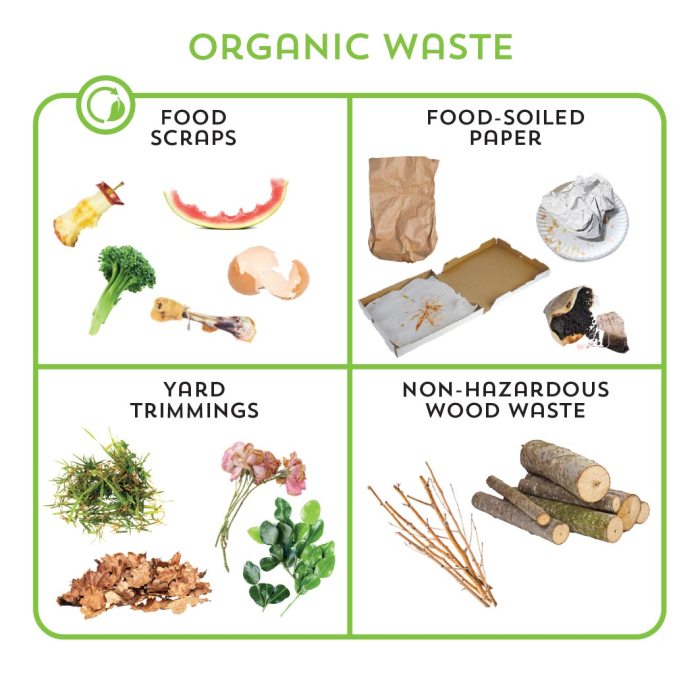
Organic material fruit bowls are gaining traction, driven by a growing awareness of environmental and health concerns. Their use offers a compelling alternative to traditional materials, presenting a multifaceted array of benefits, from reduced environmental impact to enhanced aesthetic appeal. This shift reflects a broader consumer trend towards sustainable and healthier choices in food presentation.The increasing popularity of organic fruit bowls signifies a shift in consumer preference toward eco-friendly products.
This shift is not merely a passing fad but a reflection of a deeper commitment to sustainability and a recognition of the long-term implications of material choices. This conscientious approach extends beyond the fruit bowl itself, influencing consumer choices across various sectors.
Environmental Advantages
Organic fruit bowls made from materials like bamboo, wood, or recycled plastic significantly reduce the environmental footprint compared to traditional materials like glass or plastic. The reduced reliance on fossil fuels for production, coupled with the often biodegradable nature of these materials, lowers the overall carbon footprint. For example, bamboo is a rapidly renewable resource, absorbing significant amounts of carbon dioxide from the atmosphere during its growth cycle.
The lessened need for landfills due to biodegradable options further contributes to environmental sustainability.
Health Advantages
The use of organic materials in fruit bowls often minimizes the risk of chemical leaching from the container into the food. This is especially important for fruits and vegetables that are consumed directly from the bowl. The absence of harmful chemicals aligns with growing consumer demands for healthier food presentation options. Furthermore, the natural textures and finishes of some organic materials can contribute to a more pleasant and healthier eating experience, reducing the need for artificial preservatives and coatings.
Aesthetic Appeal and Dining Experience Enhancement
Organic material fruit bowls often possess unique textures and natural patterns that enhance the visual appeal of the presented fruit. This natural aesthetic can elevate the overall dining experience, creating a more inviting and harmonious atmosphere. For example, a bowl crafted from sustainably harvested wood can add a warm, inviting ambiance to a dining setting, contrasting with the vibrant colors of the fruits.
The natural beauty of the bowl can draw attention to the natural beauty of the food itself.
Cultural and Social Influences
The popularity of organic material fruit bowls is influenced by evolving cultural and social norms around sustainability and health. Growing consumer awareness of the environmental impact of material choices is driving demand for eco-friendly alternatives. Furthermore, the aesthetic appeal and perceived health benefits of organic materials are contributing to their growing acceptance. This trend is particularly prominent in urban centers and among younger demographics.
Reasons for Consumer Choice
- Environmental Consciousness: Consumers increasingly prioritize products with a lower environmental impact. Organic materials, with their reduced carbon footprint and often biodegradable nature, are a compelling choice for environmentally conscious consumers. This is a significant driver for the adoption of sustainable products across various sectors.
- Health Concerns: Consumers are more aware of the potential for chemicals leaching from traditional materials into food. Organic materials often offer a healthier alternative by minimizing this risk. This is reflected in the increasing popularity of organic food and sustainable packaging options.
- Aesthetic Appeal: The natural beauty and unique textures of organic materials often elevate the presentation of food, creating a more appealing and inviting dining experience. This is a key factor in the broader aesthetic preferences of consumers.
- Social Responsibility: Many consumers are motivated by a desire to support environmentally responsible businesses and products. Organic materials often come from sustainably managed sources, further contributing to a sense of social responsibility.
- Durability and Longevity: Many organic materials, such as bamboo or sustainably harvested wood, are known for their durability and longevity, reducing the need for frequent replacements. This translates into long-term cost savings for consumers.
Design Considerations for Organic Material Fruit Bowls
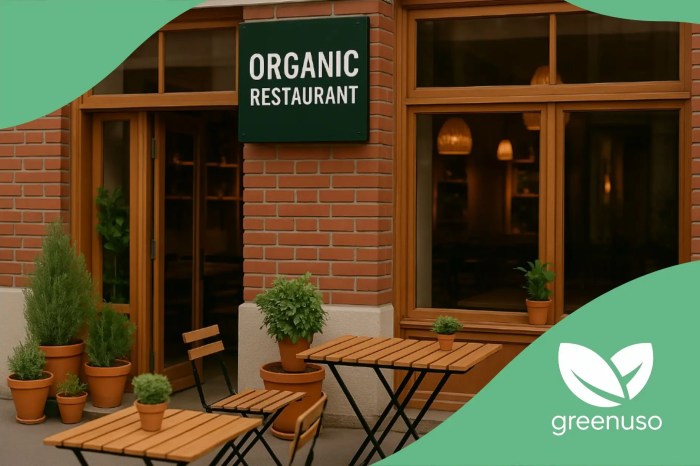
Organic material fruit bowls, with their inherent beauty and sustainability, demand careful consideration in their design. Form and function must intertwine seamlessly, ensuring not only aesthetic appeal but also practicality and user-friendliness. A well-designed organic material fruit bowl enhances the presentation of fruit while supporting its longevity.Ergonomics plays a crucial role in the design process. The bowl’s shape, size, and weight need to be thoughtfully considered to ensure comfortable handling and display.
Factors like the bowl’s stability and the ease of accessing fruit from different parts of the bowl are vital considerations for optimal user experience.
Form and Function
The form of an organic material fruit bowl significantly impacts its function. A shallow, wide bowl might be excellent for displaying a variety of fruits, maximizing visual appeal. Conversely, a deep, narrow bowl might be better suited for storing fruits that require a bit more protection or for preventing the fruits from rolling out. The shape should also consider the size and weight of the fruit intended to be held within the bowl.
The choice of material can also influence the bowl’s structural integrity and how well it handles different types of fruits.
Ergonomics in Design
Ergonomic principles are essential for ensuring the bowl is comfortable to use. The bowl’s weight should be balanced to avoid strain when lifting or moving it. The shape should allow for easy access to fruits from all sides, minimizing awkward postures or stretching. The material’s texture should also be considered; a smooth surface can be easy to clean, while a slightly textured surface might offer a more secure grip.
Shapes and Sizes
Organic material fruit bowls can take on diverse shapes and sizes. A round bowl might be suitable for a modern aesthetic, while a more elongated oval shape could be ideal for a more contemporary or minimalist approach. The bowl’s size should correlate with the amount of fruit intended to be displayed, balancing aesthetics with practicality. Consideration of space constraints in the intended location is essential.
For example, a small, compact bowl might suit a countertop or a dining table setting. Conversely, a larger bowl might be suitable for a buffet or a large dining space.
Design Features
The inclusion of design features like drainage holes and dividers can significantly improve the functionality of an organic material fruit bowl. Drainage holes prevent excess moisture buildup, preserving the quality of the fruit and preventing mold growth. Dividers create separate compartments, enabling the display of different types of fruits or allowing for the segregation of fruits based on their ripeness.
| Design Feature | Description | Impact |
|---|---|---|
| Drainage Holes | Small perforations in the bowl’s bottom | Prevents water accumulation, extending fruit freshness |
| Dividers | Internal partitions or separators | Organizes different fruit types, promotes visual appeal |
| Non-slip Base | A textured or rubberized bottom | Ensures stability and prevents sliding |
| Handles | Integrated handles for easy transport | Facilitates movement, particularly for larger bowls |
Aesthetic Considerations
The aesthetic appeal of an organic material fruit bowl is critical. Color palettes and patterns can significantly impact the overall impression. Natural color schemes, such as muted tones or earthy hues, harmonize well with the organic material. Subtle patterns or textures, such as woven designs or natural wood grain, can add visual interest without overwhelming the fruit display.
The bowl’s color and pattern should complement the surrounding décor rather than clashing with it.
Comparison with Traditional Fruit Bowls
Organic material fruit bowls offer a compelling alternative to traditional options like glass and metal. This comparison highlights the sustainability advantages, potential cost implications, and durability differences, providing a nuanced perspective for discerning consumers.Traditional fruit bowls, while often aesthetically pleasing, frequently come with environmental drawbacks. Organic alternatives, in contrast, can offer a more sustainable path forward. The decision hinges on factors beyond mere aesthetics, encompassing the long-term impact on the planet.
Sustainability and Environmental Impact
Organic material fruit bowls often prioritize sustainable sourcing and manufacturing processes. They are frequently crafted from renewable resources like bamboo, wood, or recycled plastic, minimizing the environmental footprint compared to traditionally produced glass or metal. Traditional fruit bowls, particularly those made from glass or metal that requires significant energy to manufacture, can leave a substantial environmental impact. The manufacturing process often relies on fossil fuels and contributes to greenhouse gas emissions.
Cost Comparison
The price point of organic material fruit bowls varies widely depending on the material, design, and brand. While some high-end organic bowls might command a premium over their traditional counterparts, others can be surprisingly competitive. Factors like manufacturing processes, materials, and retailer margins play a significant role in the final cost. Traditional fruit bowls, especially those made of high-quality materials, can sometimes match or even exceed the price of well-made organic alternatives.
Durability and Longevity
Durability and longevity vary significantly between organic and traditional materials. Organic material fruit bowls, particularly those crafted from durable wood or bamboo, can often withstand daily use for years, providing exceptional longevity. Traditional glass bowls are typically durable, though they are susceptible to breakage if dropped or mishandled. Metal bowls, especially those made from less robust materials, may show signs of wear and tear more quickly.
Material Comparison Table
| Material | Pros | Cons |
|---|---|---|
| Organic (Bamboo, Wood, Recycled Plastic) | Sustainable sourcing, often renewable materials, potentially lower environmental impact, aesthetically diverse | Potential for variations in durability depending on material, might not be as resistant to scratches or dents as glass or metal |
| Glass | Durable, visually appealing, generally easy to clean, reusable | Susceptible to breakage, heavier than some organic options, can be more expensive for high-quality pieces |
| Metal (Stainless Steel, Copper) | Durable, resistant to dents and scratches, generally long-lasting, often aesthetically striking | Heavier than some organic options, potentially more expensive than some organic options, may require more careful cleaning to avoid corrosion |
Practical Applications of Organic Material Fruit Bowls
Organic material fruit bowls, with their inherent beauty and sustainability, offer a versatile platform for enhancing dining experiences across diverse settings. Their aesthetic appeal extends beyond mere function, creating an inviting atmosphere that complements the food presented. From the home kitchen to high-end restaurants, these bowls provide a unique touch, adding a distinctive element to the overall presentation.These bowls, crafted from natural materials, bring a touch of the outdoors in, fostering a sense of calm and connection with nature in any environment.
Their adaptability allows for integration into various dining experiences, transforming a simple fruit platter into a visually engaging centerpiece.
Home Applications
Organic material fruit bowls seamlessly integrate into the modern home. Their natural textures and earthy tones complement various interior design styles, from minimalist to rustic. Placing the bowl on a kitchen counter, dining table, or even a side table, provides a charming focal point. For example, a woven bamboo bowl adds a touch of warmth to a breakfast nook, while a handcrafted ceramic bowl brings an artistic touch to a contemporary living room.
They also serve as attractive storage solutions, holding fresh fruit in the refrigerator or on the counter.
Restaurant Applications
In the restaurant industry, organic material fruit bowls offer a unique opportunity to elevate the presentation of desserts and side dishes. The natural aesthetic complements the plating of other dishes, creating a cohesive visual narrative. Using these bowls can enhance the dining experience by incorporating a touch of natural elegance. For example, a restaurant featuring Mediterranean cuisine might use a handcrafted terracotta bowl to showcase a vibrant fruit salad, emphasizing the fresh, local ingredients.
Office Applications
Introducing organic material fruit bowls into office spaces can foster a sense of community and wellness. These bowls can be placed in break rooms or common areas to encourage healthy snacking and provide a visually appealing space for fresh fruit displays. The natural beauty of the bowls can also serve as a subtle reminder of the importance of mindful eating.
For example, a light-colored wooden bowl filled with seasonal fruits can provide a healthy and aesthetically pleasing alternative to sugary snacks.
Styling Fruit in Organic Material Bowls
The presentation of fruit in organic material bowls is crucial to maximizing their impact. Consider the colors and textures of the fruit, arranging them in a way that highlights their natural beauty. For example, a vibrant mix of berries, melon slices, and colorful grapes arranged in a spiral pattern creates a visually striking display. Alternatively, a simple arrangement of a few key fruits, such as a single, large orange, a few apples, and a handful of grapes, can still be quite impactful.
Grouping fruits of similar shapes and colors can also produce a visually appealing design.
Accessories for Enhancing the Experience
Various accessories can enhance the presentation and practicality of organic material fruit bowls. Serving spoons, small platters, and even decorative bowls for individual portions can create an elevated presentation. Small ceramic serving spoons or wooden tongs can be used to transfer fruits, and small plates can be used to arrange specific types of fruit or as a base for the bowls.
For example, a rustic wooden serving platter, in the same material as the bowl, can be used to place the bowl on, adding a cohesive aesthetic touch.
Unique Fruit Arrangements
Organic material fruit bowls allow for a wide range of unique fruit arrangements. Consider creating a vertical display by stacking fruits of varying heights. Using contrasting textures, such as the smoothness of melon against the firmness of apples, can add visual interest. A visually striking example could be a bowl filled with a rainbow assortment of citrus fruits, with each segment carefully placed to create a captivating pattern.
Arranging fruits in a cascading pattern, or using contrasting colors in a symmetrical layout, adds a sophisticated touch.
Maintenance and Care of Organic Material Fruit Bowls
Organic material fruit bowls, while aesthetically pleasing and environmentally friendly, require specific care to maintain their beauty and longevity. Proper cleaning and storage practices are crucial to prevent damage and ensure the bowls retain their original charm. This section details the essential steps for maintaining these unique pieces.Careful maintenance is paramount to preserving the integrity and visual appeal of organic material fruit bowls.
Neglecting proper care can lead to premature deterioration, scratches, or water damage, impacting the overall aesthetic and potentially compromising the material’s structural integrity.
Cleaning Methods for Organic Material Fruit Bowls
Maintaining the pristine condition of organic material fruit bowls necessitates careful cleaning techniques. Different organic materials, such as bamboo, wood, or cork, require distinct cleaning approaches. A general rule is to avoid harsh chemicals or abrasive cleaners that could damage the material’s surface.
- Bamboo: Mild dish soap and warm water are suitable for most bamboo bowls. A soft sponge or cloth should be used for cleaning, avoiding harsh scrubbing. Thoroughly rinse and dry the bowl immediately to prevent water spots or discoloration. For stubborn stains, a mixture of mild dish soap and white vinegar can be effective. Avoid using abrasive cleaners, which can scratch the surface.
- Wood: Wood bowls require gentle cleaning. Warm water and a soft cloth or sponge with mild dish soap are ideal. Avoid soaking the bowl, as prolonged exposure to water can cause warping or damage. For stubborn stains, a solution of white vinegar and warm water can be used, but always test in an inconspicuous area first.
Once cleaned, dry thoroughly to prevent water damage.
- Cork: Cork bowls are relatively easy to maintain. A damp cloth with mild dish soap can effectively remove most debris. Avoid excessive water exposure, as it can cause the cork to absorb moisture and potentially warp. Allow the bowl to air dry completely.
Storing and Protecting Organic Material Fruit Bowls
Proper storage is vital for preserving the integrity and visual appeal of organic material fruit bowls. Protecting them from damage and moisture is crucial.
- Placement: Avoid placing the bowl directly on a hard surface that could cause scratches. Use a protective surface like a placemat or a soft cloth. Do not expose to direct sunlight or extreme temperatures, as these can cause fading or warping.
- Packaging: When not in use, consider wrapping the bowl with a soft cloth or storing it in a protective container to prevent dust and scratches.
- Environmental Considerations: Protect from direct exposure to moisture or humidity. Keep away from damp environments to avoid potential warping or mold growth.
Preventing Water Damage
Water damage is a significant concern for organic material fruit bowls. Prolonged exposure to water can lead to warping, discoloration, or even structural damage.
- Avoid Soaking: Avoid submerging the bowl in water or leaving it in a humid environment for extended periods.
- Prompt Drying: Thoroughly dry the bowl after each cleaning to prevent water spots and potential damage. Air drying is often the best approach.
- Storage Considerations: Store in a dry location, away from potential sources of moisture, to minimize the risk of water damage.
Addressing Minor Scratches and Blemishes
Minor scratches or blemishes are common occurrences with organic material fruit bowls. These can be addressed with simple techniques.
- Light Scratches: For minor scratches, use a soft cloth and a small amount of mineral oil or beeswax to gently buff the area. This can help fill in the scratch and restore the surface’s smoothness.
- More Significant Scratches: More significant scratches might require a specialized repair kit or a professional to address the damage effectively. Careful consideration should be given before attempting repairs to prevent further damage.
Market Trends and Future of Organic Material Fruit Bowls
The burgeoning demand for sustainable and aesthetically pleasing homeware is driving a significant shift in the fruit bowl market. Consumers are increasingly conscious of environmental impact and are actively seeking out products made from renewable and biodegradable resources. This trend is poised to reshape the landscape of fruit bowl design and production, creating opportunities for innovative companies.The market for organic material fruit bowls is experiencing a surge in popularity, driven by a combination of factors.
Growing environmental awareness and the desire for eco-friendly alternatives are fueling this shift. Simultaneously, consumers are increasingly drawn to the unique aesthetic appeal and versatility offered by these bowls.
Current Trends in the Organic Material Fruit Bowl Market
The market is witnessing a strong preference for bowls crafted from natural, renewable materials like bamboo, recycled paper pulp, and sustainably sourced wood. These materials often boast a distinctive aesthetic, appealing to consumers seeking a connection with nature and a departure from conventional, mass-produced products. Moreover, the use of these materials aligns with the broader movement toward eco-conscious consumption.
Future Developments in Design and Production
The future of organic material fruit bowls promises further innovation in design and production. Expect to see a rise in the use of composite materials combining organic elements with innovative manufacturing techniques. This will lead to bowls that are not only visually appealing but also exceptionally durable and functional. Furthermore, advancements in 3D printing technologies could enable the creation of highly customized and intricate organic material fruit bowls, opening up new possibilities for design and personalization.
Innovative Approaches to Organic Material Fruit Bowl Design
Companies are exploring novel approaches to design, including incorporating modular elements for adaptable storage solutions. This approach allows for both practical utility and a visually engaging display. Another trend is the use of intricate patterns and textures carved directly into the organic material, emphasizing the natural beauty of the material itself. These designs combine the inherent elegance of organic forms with contemporary aesthetic sensibilities.
Potential Market Growth in Various Regions
The market for organic material fruit bowls exhibits significant growth potential across various regions. Asia, with its strong environmental awareness and growing middle class, presents a particularly promising market. North America and Europe also show considerable potential, as consumers in these regions are increasingly seeking eco-friendly products. The burgeoning interest in sustainable living across the globe further underscores the potential for substantial growth.
Emerging Technologies Related to Organic Material Fruit Bowls
Advanced manufacturing techniques, such as bio-based composite materials and bio-printing, are rapidly evolving, offering the potential for creating lighter, stronger, and more sustainable fruit bowls. The use of these technologies will likely lead to more intricate designs and potentially lower production costs, making these products more accessible to a broader consumer base. Bio-based resins and other sustainable materials are also being explored, opening up new possibilities for unique textures and finishes.
Examples of Organic Material Fruit Bowls
Organic material fruit bowls are gaining traction due to their aesthetic appeal and environmental consciousness. Their diverse materials and designs cater to various tastes and interior styles. Beyond the aesthetic appeal, the sustainable nature of these bowls offers a compelling alternative to traditional options.This section delves into specific examples, highlighting the unique characteristics, materials, and specifications of organic material fruit bowls.
Understanding these examples allows consumers to make informed decisions based on their needs and preferences.
Specific Examples of Organic Material Fruit Bowls
A range of materials are used for organic fruit bowls, each offering unique characteristics. These materials include sustainably sourced wood, natural fiber composites, and bio-plastics.
- Wooden Bowls: Handcrafted wooden bowls, often made from sustainably harvested hardwoods like bamboo or acacia, exhibit a natural warmth and visual appeal. Their inherent strength and durability make them a long-term investment. A popular example is a round acacia wood bowl, approximately 12 inches in diameter and 4 inches deep. It showcases the natural grain of the wood, adding a rustic charm to any dining setting.
The bowl has a capacity of roughly 2 liters, ideal for displaying a variety of seasonal fruits. The bowl’s weight provides a sense of stability, and the natural color variations of the wood offer an aesthetically pleasing contrast to the fruit displayed within.
- Rattan Bowls: Woven rattan bowls offer a light and airy aesthetic. These bowls are typically constructed from sustainably harvested rattan, a natural fiber derived from palm trees. A typical rattan bowl might measure 10 inches in diameter and 5 inches deep, holding approximately 1.5 liters of fruit. The natural flexibility and breathability of rattan contribute to the bowl’s visual appeal and allow for a better airflow around the fruit.
The bowl’s woven pattern adds a unique texture, contrasting beautifully with the fruit’s color and shape.
- Bio-Plastic Bowls: Bio-plastic bowls, made from renewable resources like corn starch or sugarcane, provide an environmentally conscious alternative. These bowls are often lightweight and durable. A contemporary example is a bio-plastic bowl with a sleek, modern design, measuring 8 inches in diameter and 3 inches deep. It can hold roughly 1 liter of fruit. The material’s strength and resistance to shattering make it a practical choice, while the material’s biodegradability offers an eco-friendly option.
Brand and Model Specifications
| Brand | Model | Material | Size (Diameter x Height, inches) | Capacity (Liters) | Unique Characteristics |
|---|---|---|---|---|---|
| EcoWood | Round Acacia | Acacia Wood | 12 x 4 | 2 | Natural grain, rustic charm, sustainable |
| NatureWeave | Rattan Elegance | Rattan | 10 x 5 | 1.5 | Light, airy, woven pattern, sustainable |
| BioFresh | Modern Bio-Plastic | Bio-Plastic | 8 x 3 | 1 | Sleek design, durable, eco-friendly |
Detailed Specifications
This table provides detailed specifications, including size, capacity, and unique characteristics of the featured organic material fruit bowls. This information assists consumers in selecting the bowl that best suits their needs. Factors like size, capacity, and material significantly impact the bowl’s functionality and aesthetics.
Sustainable Practices in Organic Material Fruit Bowl Production
Organic material fruit bowls offer an appealing alternative to traditional options, but their environmental impact hinges on the sustainability of their production. This necessitates a rigorous commitment to ethical sourcing, responsible manufacturing, and eco-conscious waste management throughout the entire lifecycle. Ignoring these factors risks undermining the potential benefits of these products and potentially exacerbating environmental concerns.The production of organic material fruit bowls presents a unique opportunity to create a circular economy.
By prioritizing sustainable practices, manufacturers can reduce their environmental footprint and contribute to a healthier planet. Careful consideration of every stage of production, from material selection to packaging and disposal, is paramount to achieving true sustainability.
Importance of Sustainable Sourcing of Organic Materials
The choice of organic materials significantly impacts the environmental footprint of fruit bowls. Sustainable sourcing prioritizes materials derived from renewable resources, minimizing the depletion of natural ecosystems. This includes using responsibly harvested wood, bamboo, or recycled plastics. Furthermore, traceability of materials ensures that the origin and production methods adhere to ethical standards, preventing exploitation and promoting fair labor practices.
Ultimately, this commitment to sustainable sourcing strengthens the supply chain and fosters a healthier relationship with the environment.
Ethical Production Practices
Ethical production practices extend beyond material sourcing to encompass fair labor standards and environmental safeguards. Companies committed to ethical production ensure safe working conditions for all employees, fair wages, and respect for human rights throughout the supply chain. They also strive to minimize their environmental impact by adopting energy-efficient processes and reducing water consumption.
Eco-Friendly Packaging Options
The packaging of organic material fruit bowls contributes significantly to their overall environmental impact. Eco-friendly packaging options include biodegradable materials like plant-based plastics or paper, and minimizing packaging material use through clever design. Reusable packaging options, such as boxes that can be repurposed, are ideal, reducing waste generation. Furthermore, reducing reliance on single-use plastics is critical for mitigating environmental pollution.
Responsible Waste Management Practices
Responsible waste management in the production cycle is crucial for minimizing environmental harm. Manufacturers should implement strategies for recycling and composting organic materials and strive for zero-waste production where possible. This may involve innovative designs that incorporate waste as part of the production cycle. In addition, manufacturers should prioritize material selection that readily lends itself to recycling and reuse.
Long-Term Sustainability Implications
The long-term sustainability implications of using organic material fruit bowls extend beyond the immediate production cycle. A commitment to sustainable practices builds trust with consumers who are increasingly conscious of environmental issues. It also positions companies as industry leaders in responsible manufacturing, fostering innovation and attracting environmentally conscious customers. This approach ensures that the benefits of organic material fruit bowls extend well into the future.
Culinary and Aesthetic Combinations
Organic fruit bowls, crafted from sustainable materials, offer a unique platform for showcasing the vibrant beauty of nature’s bounty. Their inherent aesthetic appeal, coupled with the versatility of fruit combinations, allows for a seamless integration into various culinary settings, enhancing both the visual and gustatory experience.These bowls, with their diverse forms and textures, can be tailored to specific occasions and dietary preferences, transforming the simple act of fruit consumption into a sophisticated art form.
Their natural appeal can complement a wide range of meal settings, from casual gatherings to formal dining experiences.
Color Combinations and Arrangements
The interplay of colors in a fruit bowl can significantly enhance its aesthetic appeal. A well-chosen arrangement not only captivates the eye but also evokes specific emotions and enhances the overall dining experience. Strategic color combinations can create a harmonious or even a dramatic visual effect.
| Color Combination | Fruit Examples | Occasion Suggestion |
|---|---|---|
| Red & Green | Strawberries, Raspberries, Granny Smith Apples, Kiwi | Summer Picnic, Casual Dinner |
| Yellow & Orange | Mangoes, Oranges, Bananas, Pineapple | Tropical-themed party, brunch |
| Purple & Pink | Blueberries, Raspberries, Pomegranates, Red Grapes | Elegant dinner, special events |
| Teal & Brown | Figs, Persimmons, Pomegranates, Dark Berries | Fall Harvest dinner, autumnal theme |
Fruit Combinations for Different Tastes and Occasions
A harmonious combination of fruits considers not only their visual appeal but also their taste profiles. Pairing sweet and tangy fruits, or contrasting textures, can create a complex and satisfying culinary experience.
- For a refreshing summer treat: Watermelon, cantaloupe, and honeydew melon offer a light and hydrating combination. Adding a touch of mint can elevate the experience.
- For a sophisticated dessert: Blueberries, raspberries, and sliced figs, drizzled with honey, offer a balance of sweetness and tartness.
- For a healthy snack: A mix of apples, pears, and grapes provides a variety of flavors and textures, perfect for a quick and satisfying snack.
Colors and Patterns for Pairing with Organic Bowls
The choice of colors and patterns for the organic bowls can further enhance the overall aesthetic. The natural beauty of the bowl material can be highlighted by complementary colors in the fruit arrangement. For instance, a light-brown wooden bowl might pair well with a vibrant arrangement of red and orange fruits.
- Earthy tones (brown, beige, light gray) work well with a variety of fruits and create a natural, calming ambiance.
- Bright, bold colors (red, orange, yellow) add a pop of energy and vibrancy, perfect for a celebratory occasion.
- Muted tones (lavender, sage green) can create a sophisticated and elegant look, ideal for a formal dinner.
Organic Bowls in Different Cuisines
Organic fruit bowls can seamlessly integrate into various cuisines, adding a touch of natural elegance to the dining experience. The versatility of the material and design allows them to be adapted to different cultural preferences.
- In Asian cuisine, bowls can showcase fresh fruits like mangoes, papayas, and lychees, alongside herbs like mint and basil. The light, airy design of some bowls is perfect for this type of presentation.
- Mediterranean cuisine benefits from the natural elegance of organic bowls. Displaying seasonal fruits like figs, grapes, and dates, alongside fresh herbs like rosemary and thyme, enhances the meal’s visual appeal.
- Modern American cuisine can benefit from the use of organic bowls to complement fresh, locally sourced fruits. A creative arrangement can be a centerpiece for a family dinner or a special gathering.
Complementing a Meal with Organic Bowls
Organic fruit bowls can complement a meal by acting as a visual and taste enhancer. The natural colors and textures of the bowl create a harmonious transition between courses, and the variety of fruits can provide a refreshing break from savory dishes.
Organic fruit bowls offer a visually appealing and healthy way to round out a meal.
Marketing Strategies for Organic Material Fruit Bowls
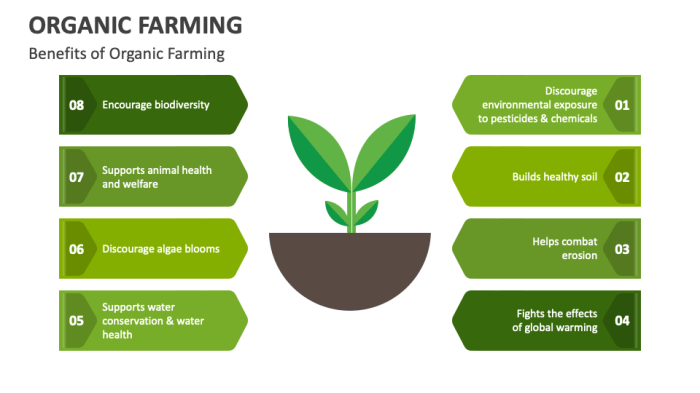
Organic material fruit bowls, with their inherent sustainability and aesthetic appeal, present a compelling opportunity for a unique marketing approach. Targeting environmentally conscious consumers and design-focused individuals is key to achieving success in this niche market. This approach requires a nuanced understanding of the target audience and a clear articulation of the product’s value proposition.Successfully marketing organic material fruit bowls necessitates a multifaceted strategy that encompasses online presence, targeted campaigns, and strong branding.
Leveraging the growing interest in sustainable living and aesthetically pleasing homeware, businesses can establish a powerful brand identity for their products.
Target Customer Segmentation
Understanding the different consumer segments who would appreciate organic material fruit bowls is crucial. Eco-conscious individuals and families, design enthusiasts, and health-conscious consumers are likely to be interested. Targeting these segments through tailored marketing messages and channels will maximize impact. For instance, highlighting the sustainable sourcing of materials in campaigns directed at eco-conscious consumers, or showcasing the bowls’ integration into stylish home décor for design enthusiasts, is essential.
The marketing materials should clearly articulate the value proposition to each segment, resonating with their individual priorities.
Online Presence and Digital Marketing
A robust online presence is paramount for reaching a wider audience. This involves developing a user-friendly website, showcasing product details, high-quality images, and compelling storytelling. Utilizing social media platforms, particularly Instagram and Pinterest, is critical for visually demonstrating the beauty and versatility of the bowls. Engaging content, including lifestyle photography showcasing the bowls in various settings, will resonate with potential customers.
Utilizing search engine optimization () techniques to enhance visibility in online searches is also essential.
Branding Strategies for Organic Material Fruit Bowls
A strong brand identity differentiates organic material fruit bowls from competitors. Emphasizing sustainability, eco-friendliness, and unique design elements are crucial for building a recognizable brand. Using imagery that evokes a sense of nature and organic beauty will create a strong connection with the target audience. Developing a tagline that succinctly conveys the brand’s values and benefits will enhance brand memorability.
Potential Promotional Activities
Various promotional activities can drive sales and create excitement around the product. Collaborations with interior design blogs and influencers can expose the bowls to a wider audience. Participating in craft fairs and home décor shows will offer direct interaction with potential customers. Offering exclusive discounts and promotions through email marketing or social media can stimulate demand. Contests and giveaways on social media can further boost brand visibility and engagement.
Visual Appeal and Clear Messaging in Marketing Materials
High-quality photography and videography are essential to showcasing the aesthetic appeal of the organic material fruit bowls. Clear and concise messaging should emphasize the sustainability, durability, and beauty of the product. Highlighting the unique characteristics of the organic material, such as its texture or natural color variations, will appeal to discerning customers. Using descriptive language that evokes emotions and connects with the target audience’s values is crucial.
Outcome Summary
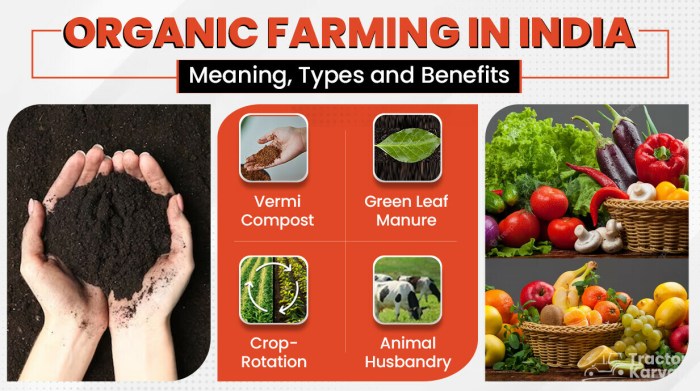
In conclusion, organic material fruit bowls represent a compelling convergence of aesthetics, sustainability, and practicality. Their increasing popularity reflects a growing consumer desire for eco-friendly choices and a more mindful approach to food presentation. This evolving market offers a variety of options, catering to diverse styles and preferences, while simultaneously contributing to a more sustainable future.
